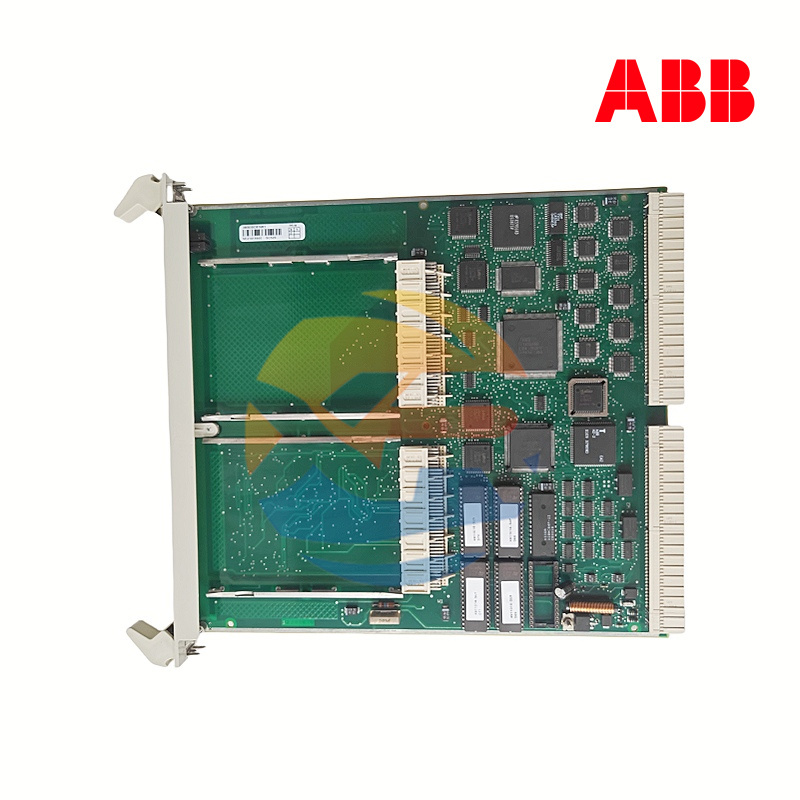
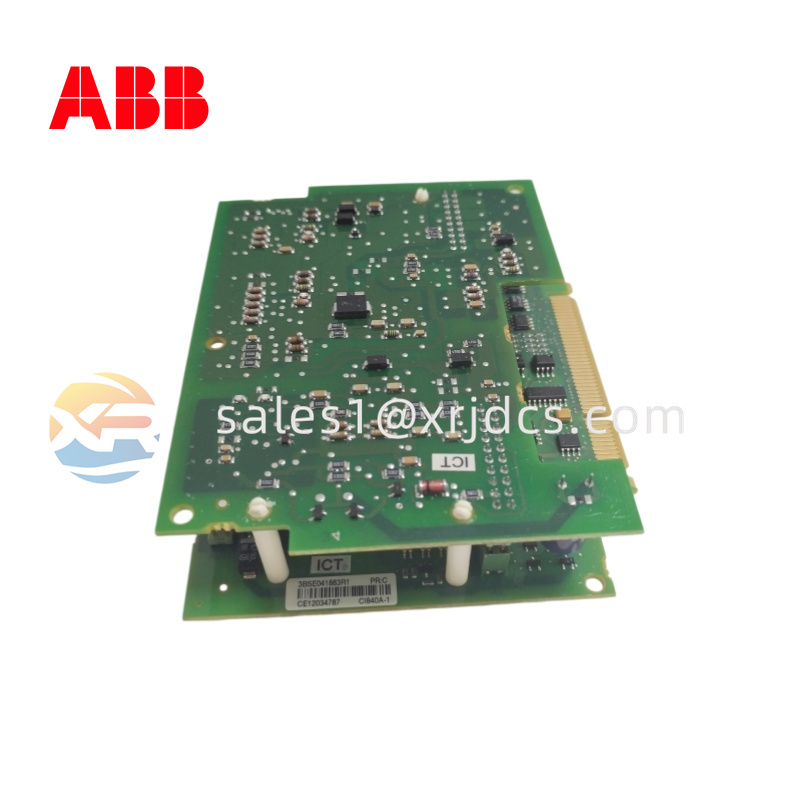
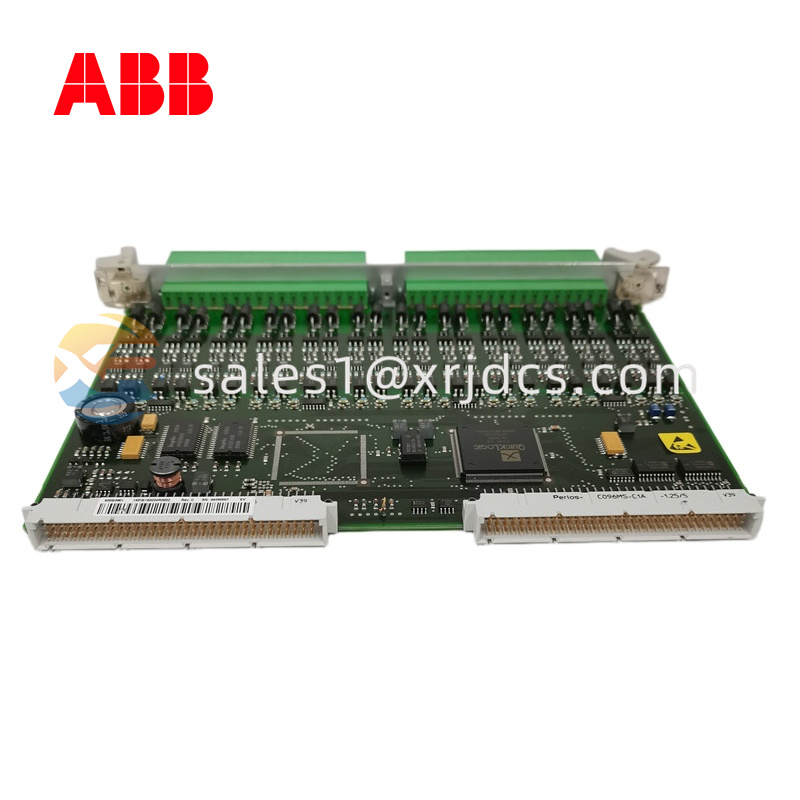
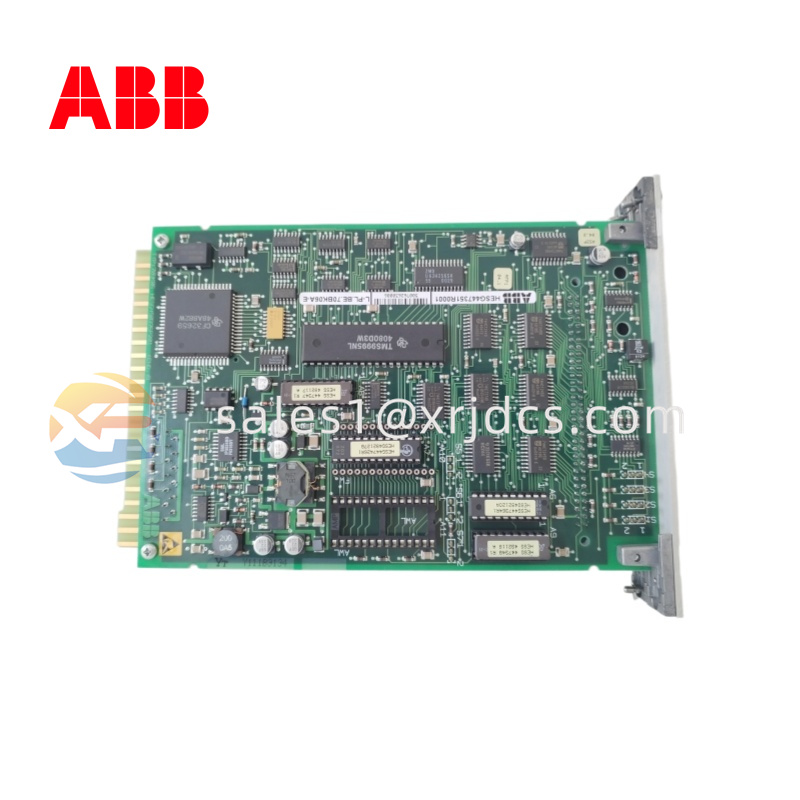
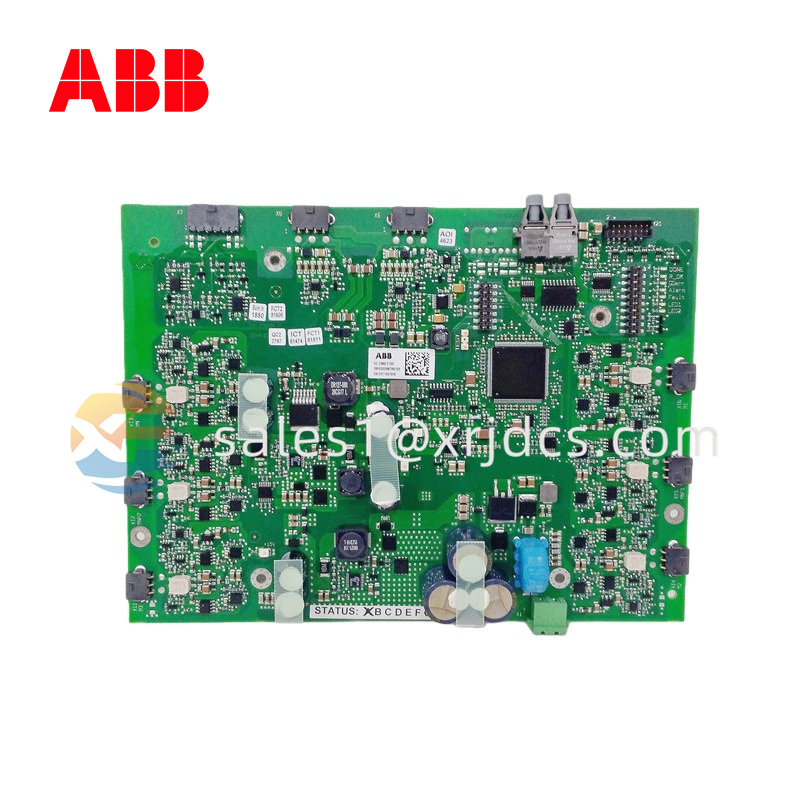
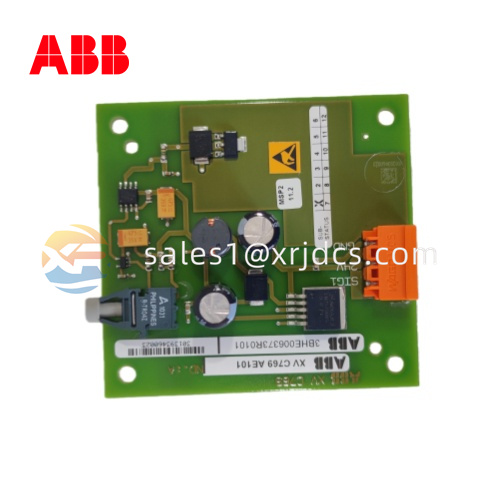
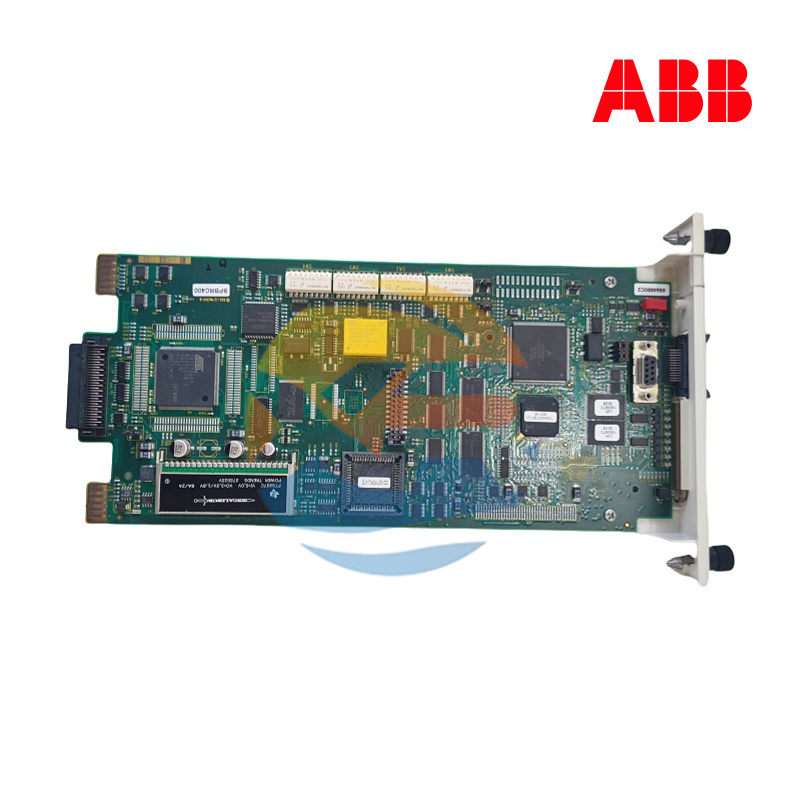
ABB SPBRC400 Bridge Controller Module
Core Functional Features
The SPBRC400 is designed to deliver high-performance process control with strong reliability and redundancy support.
Key Functions
Acts as a bridge controller in DCS architectures
Manages communication between control nodes and field I/O systems
Supports redundant network communication paths
Enables high-speed data exchange and process coordination
Provides system-level diagnostics and monitoring
Ensures uninterrupted control execution in critical processes
The controller is part of ABB’s Symphony Plus evolution of the Bailey control system, maintaining backward compatibility with installed legacy systems.
Technical Specifications
| Parameter |
Description |
| Brand |
ABB |
| Model |
SPBRC400 |
| Product Type |
Bridge Controller Module |
| System Platform |
Symphony Plus / Bailey INFI 90 |
| Power Supply |
Typically 18–30 V DC |
| Communication |
Ethernet / serial / fieldbus (system-dependent) |
| Response Time |
< 10 ms (typical configurations) |
| Redundancy |
Dual communication path support |
| Operating Environment |
Industrial control systems |
| Protection Class |
Industrial enclosure (IP20 typical) |
| Mounting Type |
Rack / cabinet installation |
In some configurations, the module supports advanced redundancy switching with very fast failover times to maintain continuous operation.
Structural Design
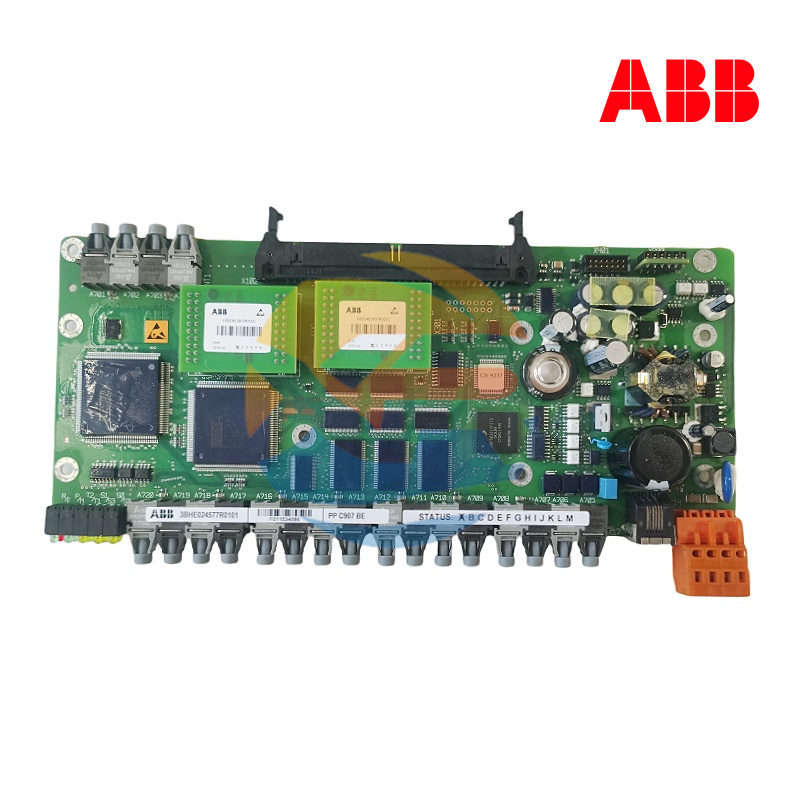
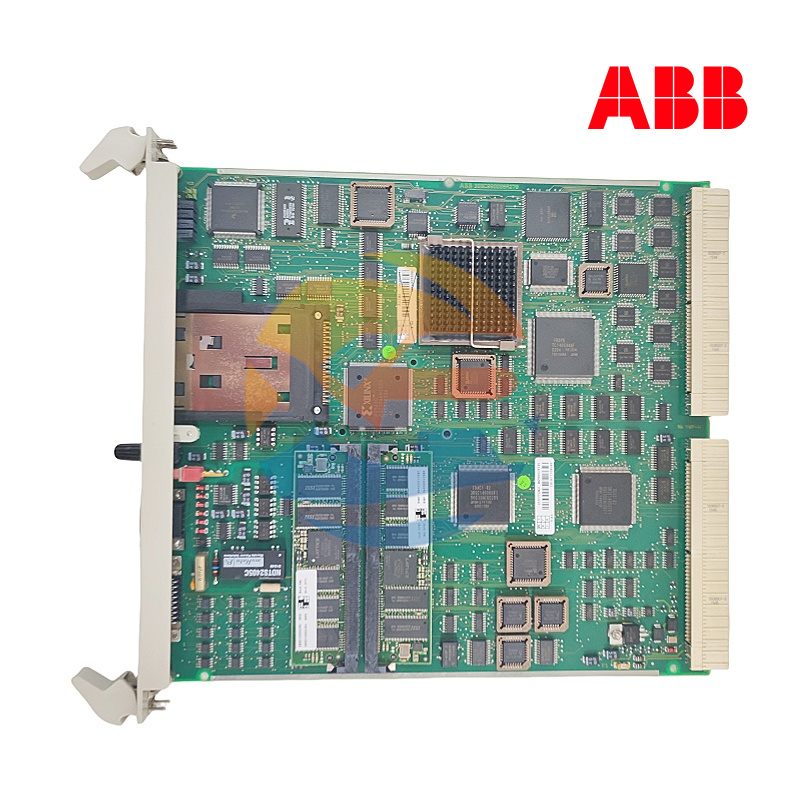
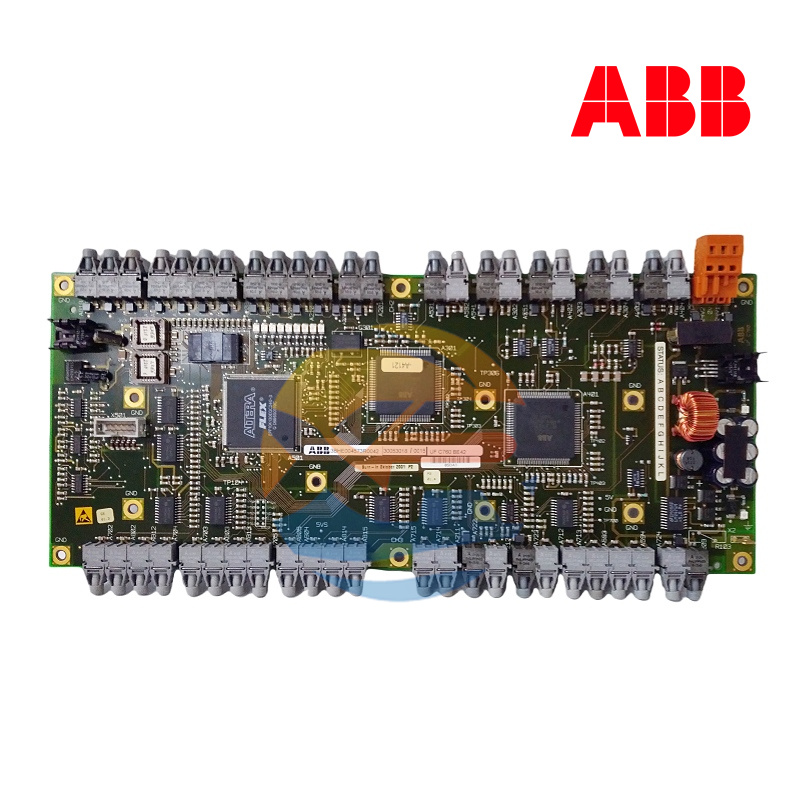
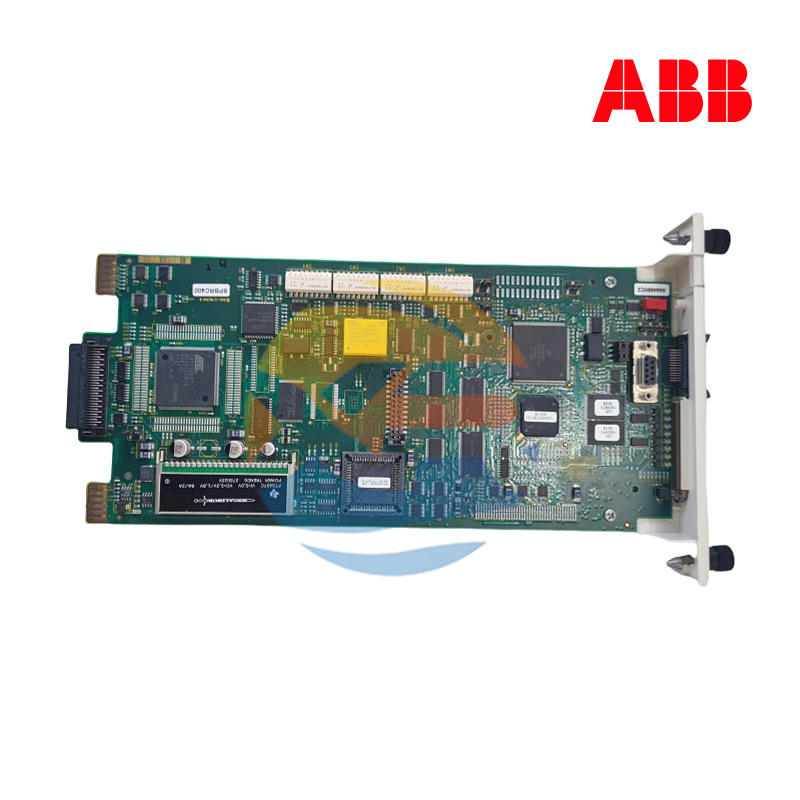
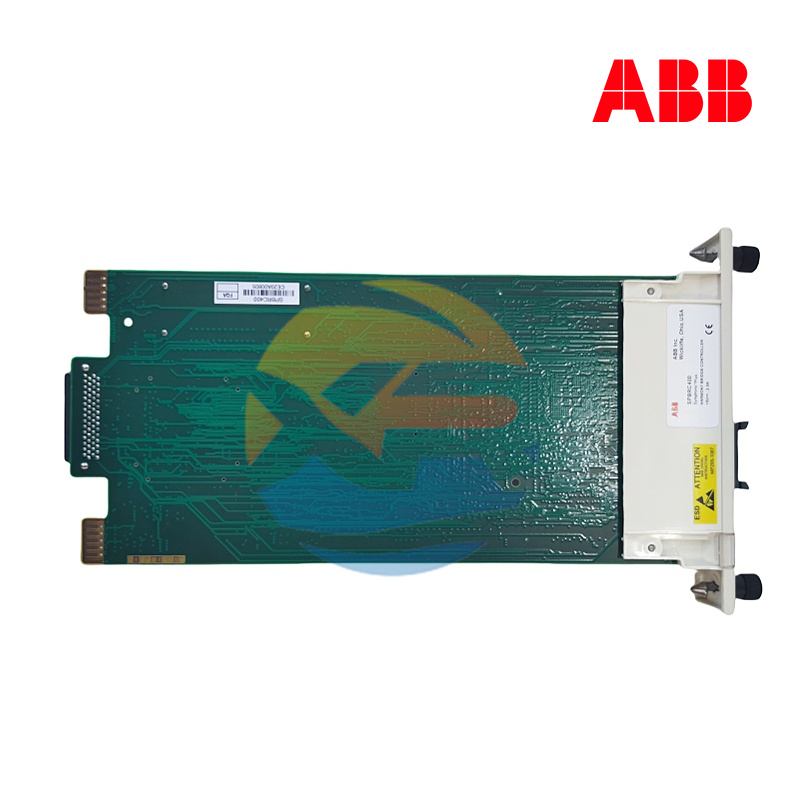
The ABB SPBRC400 is built with an industrial rack-mounted architecture designed for long-term continuous operation.
Internal Architecture Includes:
High-performance embedded processor
Memory module for control logic execution
Communication interface circuits
Redundant network management logic
Diagnostic and status monitoring system
Power regulation and protection circuits
Its rugged industrial design ensures stable operation in environments with vibration, electrical noise, and temperature fluctuations.
System Role and Working Principle
The SPBRC400 functions as a central coordination controller within a distributed control system.
It performs the following operations:
Collects data from field controllers and I/O modules
Processes control logic in real time
Synchronizes communication between subsystems
Maintains redundancy switching in case of network failure
Sends control commands back to process equipment
This architecture ensures continuous process stability in large-scale industrial automation systems.
Application Areas
The ABB SPBRC400 is commonly used in high-criticality industrial sectors such as:
Power generation plants
Oil refinery control systems
Petrochemical processing facilities
Water treatment and distribution systems
Heavy industrial manufacturing
Substation automation systems
Large-scale process control networks
Its robustness makes it suitable for 24/7 continuous operation environments.
Installation Guidelines
Proper installation is essential to ensure system reliability and communication stability.
Recommended Practices
Install in a standard industrial control rack
Ensure proper grounding and shielding
Maintain separation between signal and power cables
Provide adequate cabinet ventilation
Use approved ABB communication cables
Verify firmware compatibility before commissioning
Incorrect installation may affect redundancy performance and system stability.
Maintenance & Diagnostics
The SPBRC400 is designed for long-term industrial operation with minimal maintenance requirements.
Maintenance Recommendations
Periodically inspect connector integrity
Monitor system diagnostic indicators
Verify redundancy switching performance
Clean cabinet dust and ventilation paths
Perform scheduled system health checks
Built-in diagnostics support early fault detection, reducing downtime risk.
Performance Advantages
Compared to earlier ABB controller generations, the SPBRC400 provides:
Higher processing efficiency
Improved system redundancy handling
Faster communication response
Enhanced network stability
Better integration with modern control systems
Strong backward compatibility with legacy systems
Summary
The ABB SPBRC400 is a high-reliability bridge controller module designed for industrial distributed control systems. With its redundant architecture, fast communication capabilities, and strong compatibility with ABB Symphony Plus and Bailey systems, it plays a critical role in ensuring stable and continuous industrial automation operations in complex process environments.




 Switzerland
 .jpg)
.jpg)
.jpg)
.jpg)
.jpg)
.jpg)