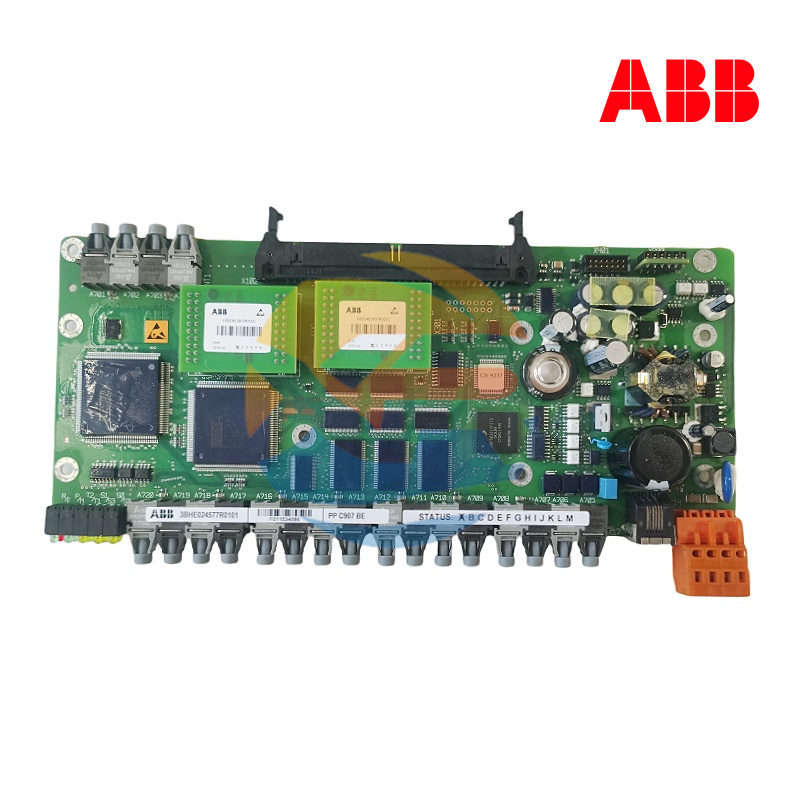
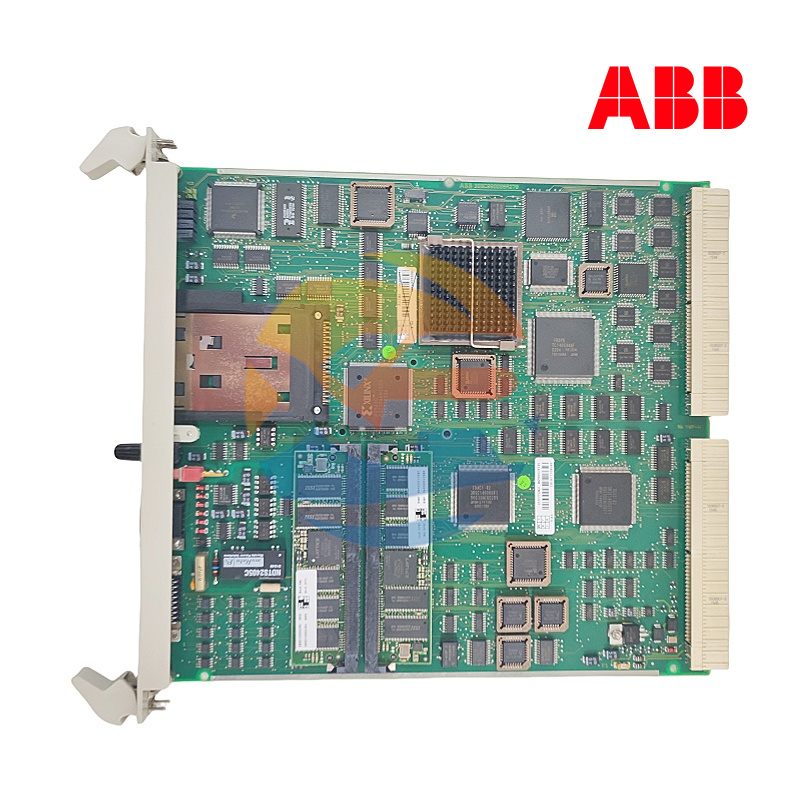
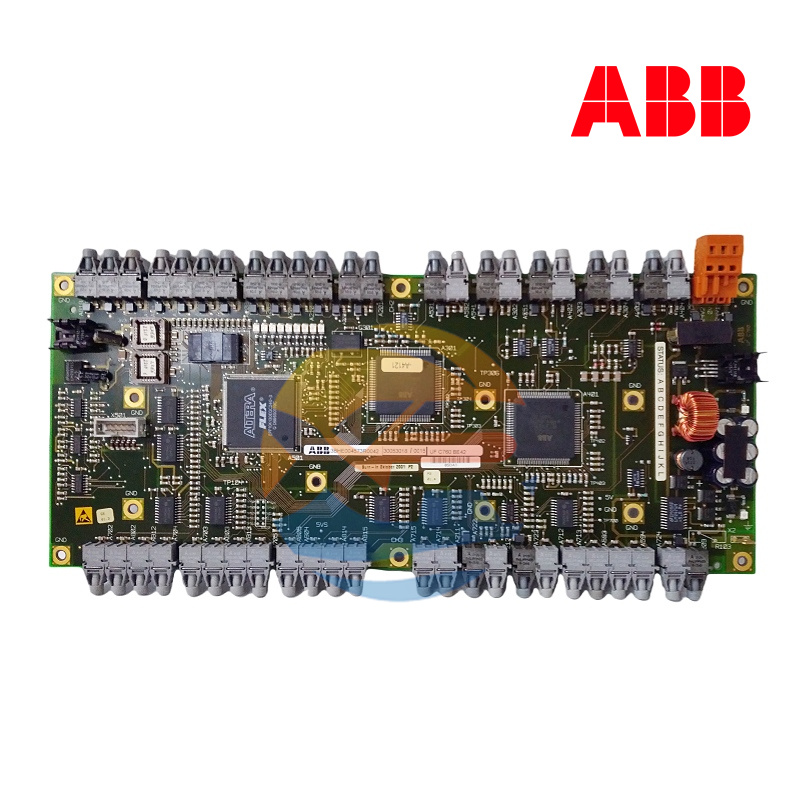
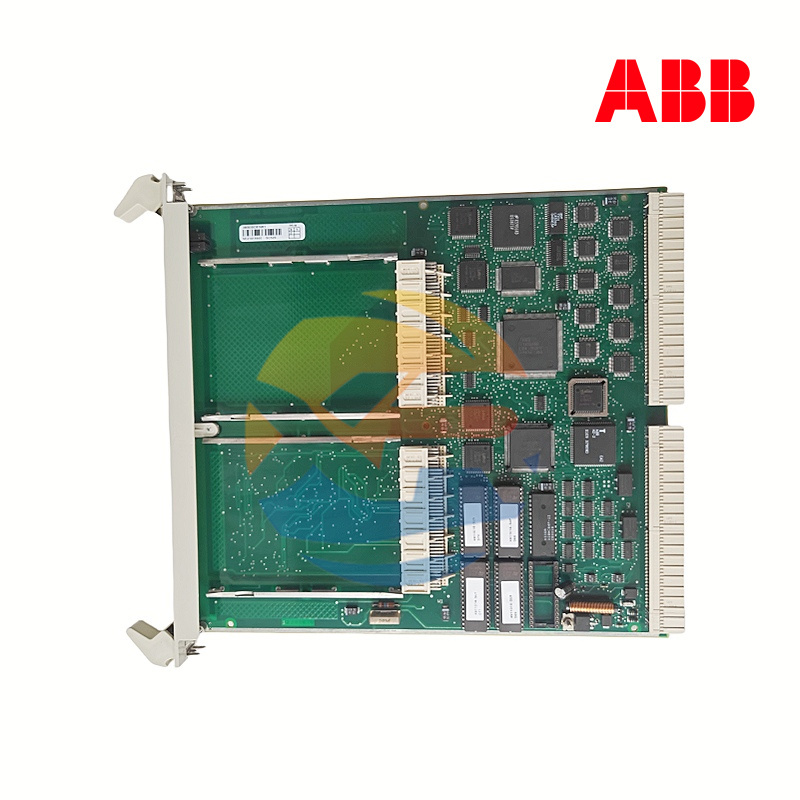
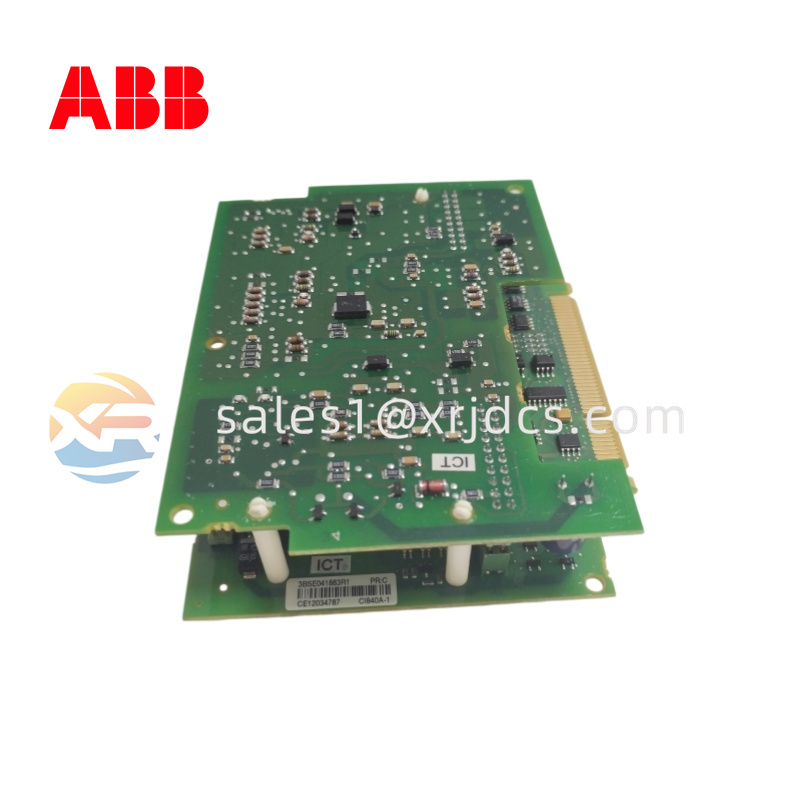
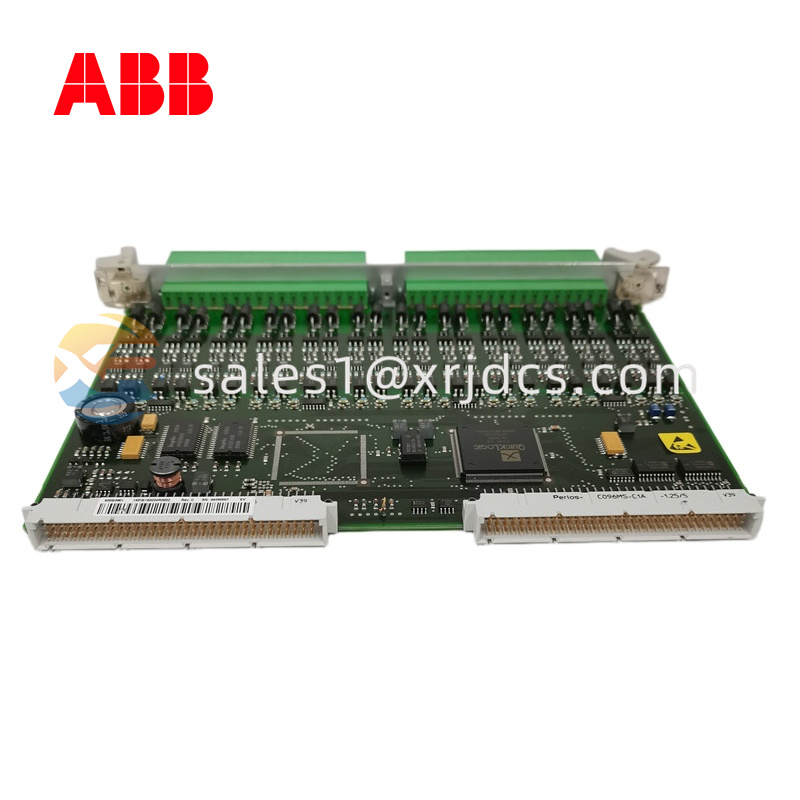
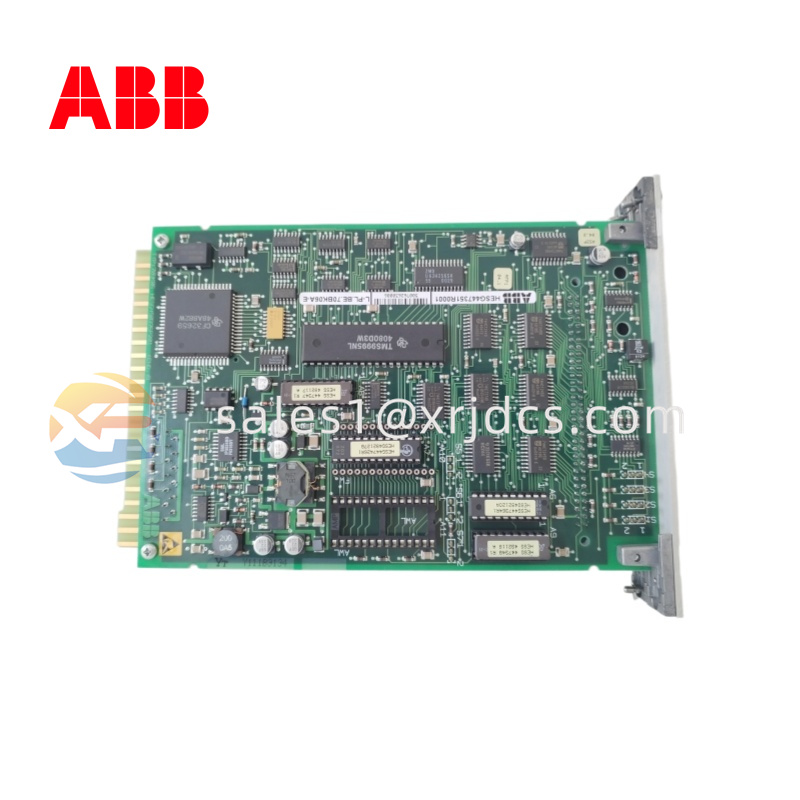
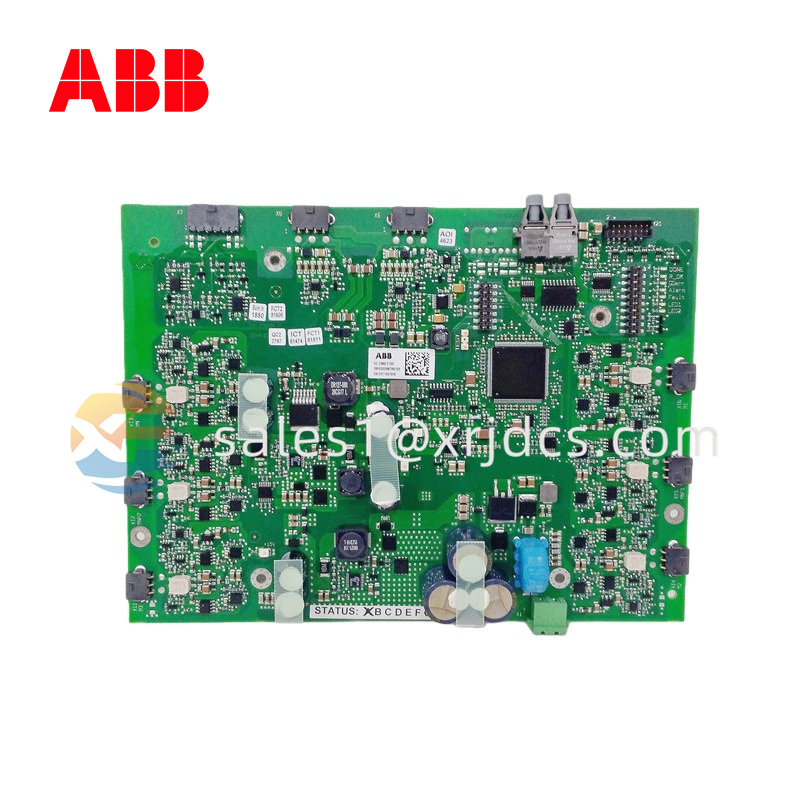
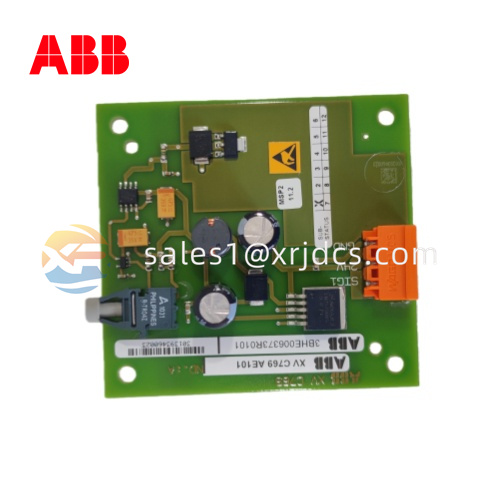
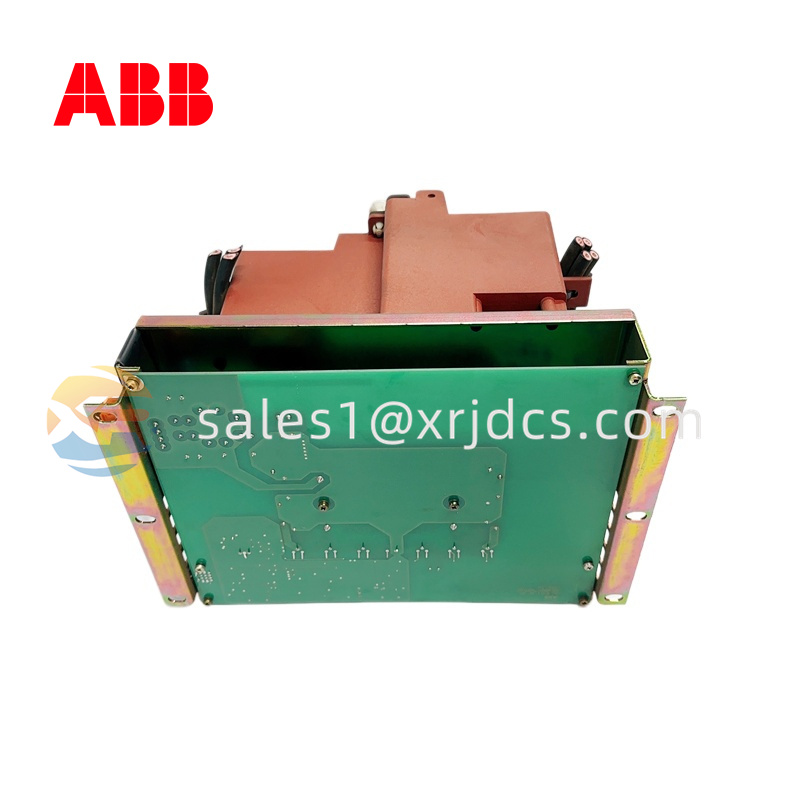
ABB KUC711AE101 (3BHB004661R0101) – Industrial Control & Excitation System Interface Unit
Application-Oriented Introduction
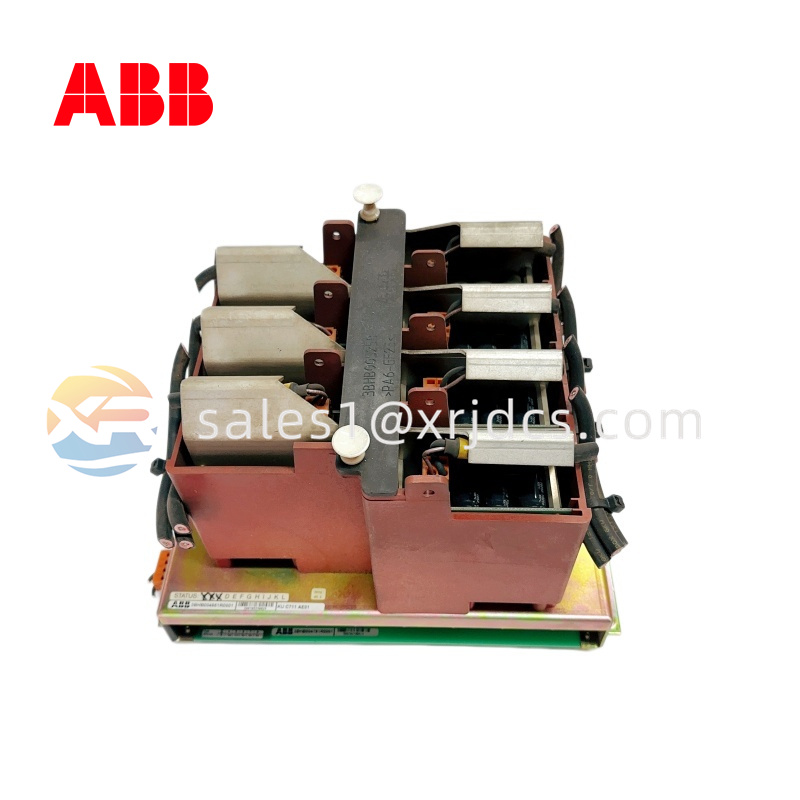
The ABB KUC711AE101 (3BHB004661R0101) is an industrial-grade control and interface module widely used in advanced excitation systems and power drive applications. It is commonly integrated into ABB’s high-performance automation and generator control platforms, where it plays a key role in regulating, monitoring, and stabilizing electrical excitation processes.
This module is typically found in:
Power generation plants (gas, steam, hydro)
Synchronous generator excitation systems
Industrial drive and automation systems
Large-scale energy infrastructure projects
Core Overview
Designed for reliability and precision, the KUC711AE101 acts as a critical electronic control component within ABB excitation architectures. It ensures stable signal processing between control units and power stages, enabling accurate voltage regulation and system stability in high-load electrical environments.
Its engineering focus is on:
High-speed control response
Stable excitation signal processing
System-level protection support
Long-term operational reliability
Technical Specifications
| Category |
Description |
| Manufacturer |
ABB |
| Model |
KUC711AE101 |
| Part Number |
3BHB004661R0101 |
| Product Type |
Control / Excitation interface module |
| System Role |
Signal processing and regulation unit |
| Application |
Generator excitation & industrial drive systems |
| Installation Type |
Rack-mounted control system module |
| Operating Environment |
Industrial power and automation systems |
| Cooling Method |
System-integrated airflow cooling |
| Design Standard |
ABB industrial control architecture |
Functional Characteristics
The ABB KUC711AE101 is designed to ensure precise coordination within excitation and control systems. Its main functions include:
Processing control signals in excitation circuits
Supporting voltage regulation of synchronous machines
Enabling communication between control layers and power modules
Providing stable feedback handling for system optimization
Enhancing protection response during abnormal operating conditions
Structural Design & Internal Composition
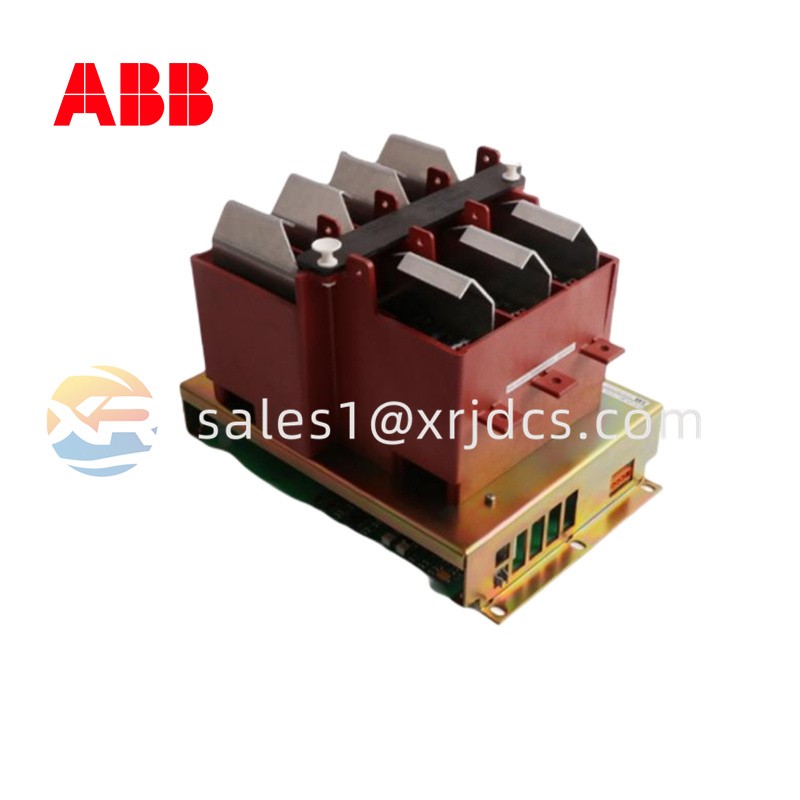
This module is built with high-density industrial electronic architecture optimized for continuous operation. Its internal structure includes:
Advanced control circuitry for excitation signal regulation
Industrial-grade PCB layout for signal integrity
Reinforced connector interfaces for vibration resistance
Heat-tolerant components for high-load environments
Compact modular design for easy rack integration
The construction ensures stable performance even under fluctuating load and harsh electrical conditions.
Key Features
Designed for ABB excitation and power control systems
High reliability in continuous industrial operation
Strong resistance to electrical noise and interference
Supports precise generator voltage regulation
Modular design for easy integration and replacement
Built for long lifecycle in critical infrastructure
Installation & Maintenance
Installation Guidelines:
Must be installed inside ABB-compatible control racks
Requires proper grounding and shielding for signal stability
Installation should be performed by certified technicians
Ensure system power is fully isolated before mounting
Maintenance Recommendations:
Regular inspection of connector integrity
Monitoring of system diagnostics and fault logs
Keeping control cabinet clean and well-ventilated
Periodic verification of excitation system performance
Replacement only with certified ABB-compatible modules
Industrial Advantages
Ensures stable excitation control in power systems
Improves overall generator performance and efficiency
High durability in continuous operation environments
Seamless integration with ABB automation platforms
Reduced system downtime through reliable performance
Conclusion
The ABB KUC711AE101 (3BHB004661R0101) is a high-performance control and excitation interface module designed for demanding industrial and power generation applications. With its robust architecture, precise signal handling, and strong integration capability within ABB systems, it plays a vital role in ensuring stable and efficient electrical energy control.



 Switzerland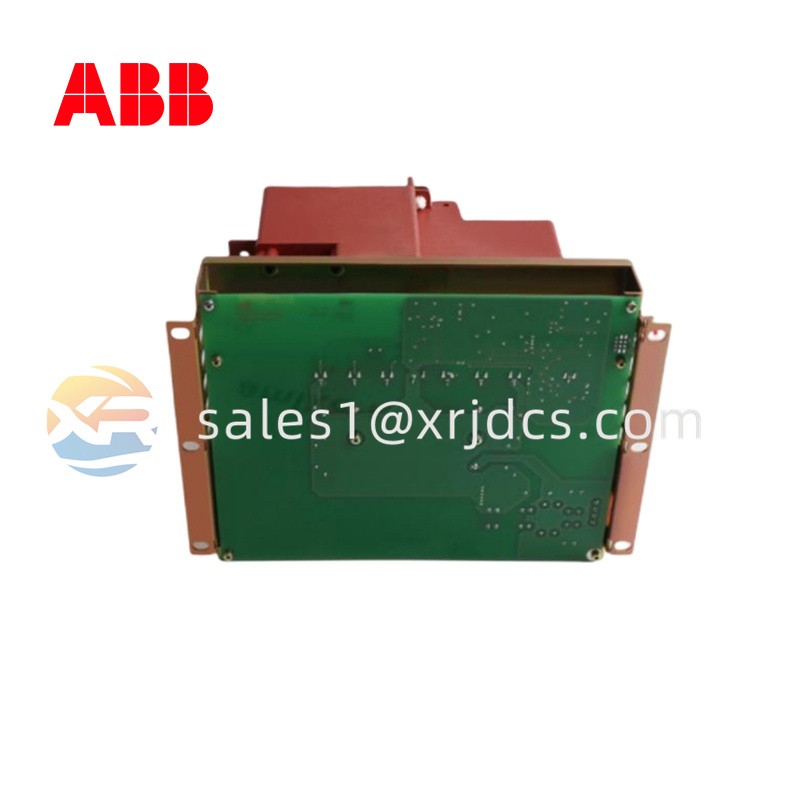
.jpg)
.jpg)
.jpg)