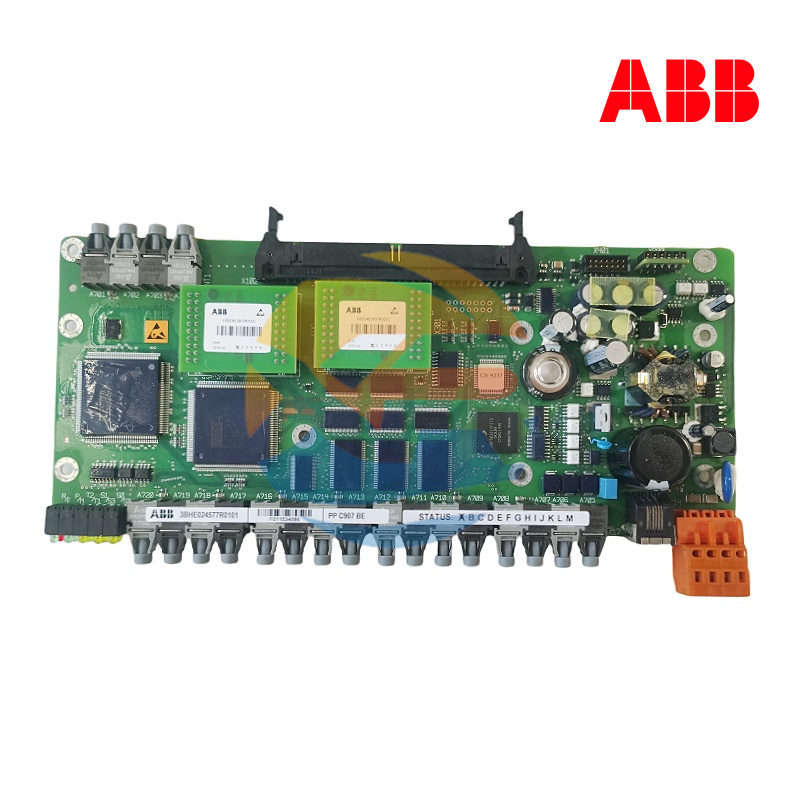
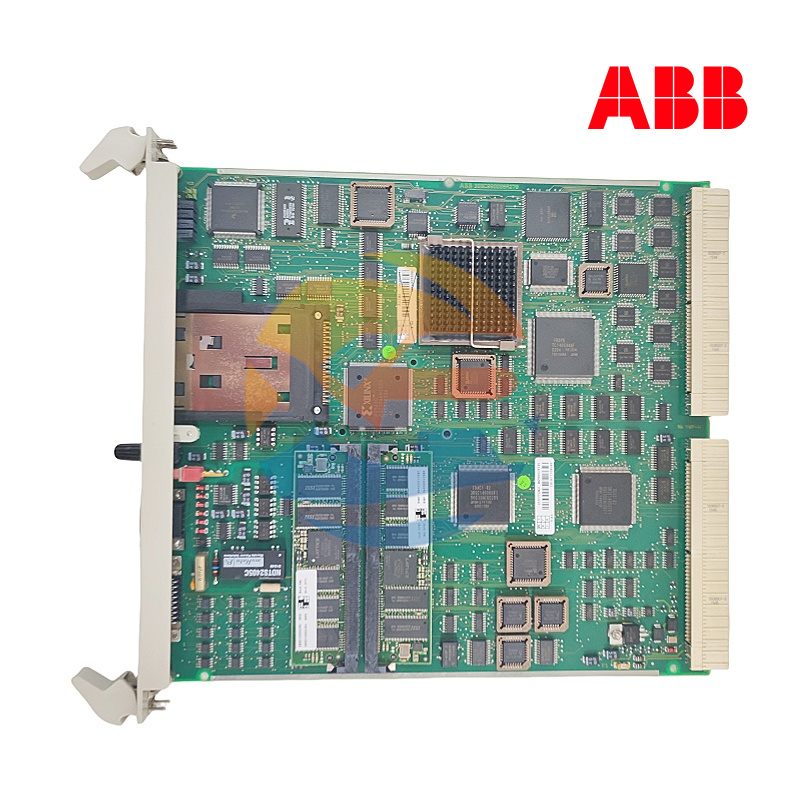
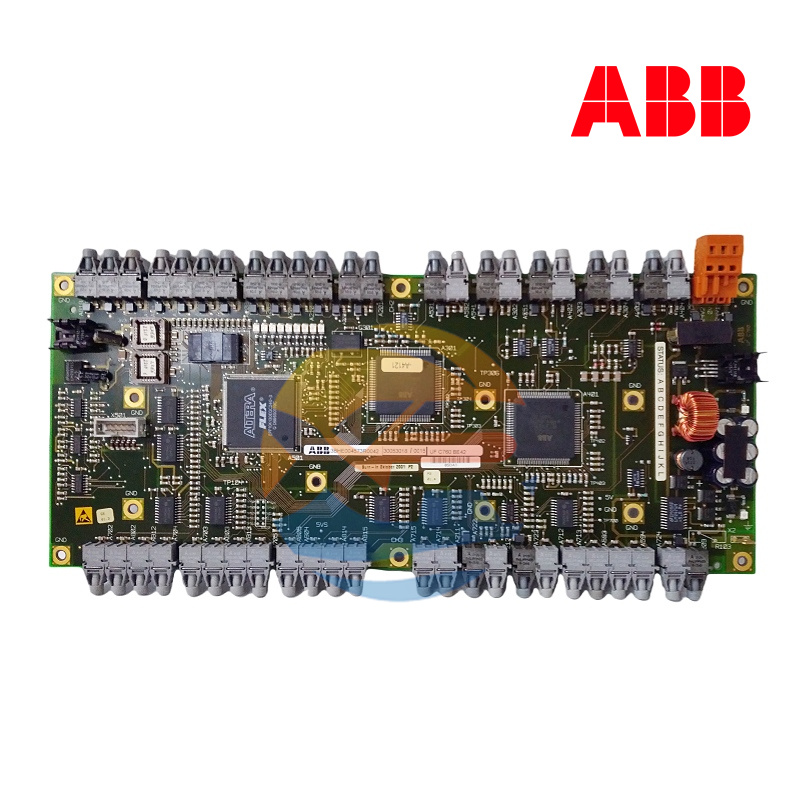
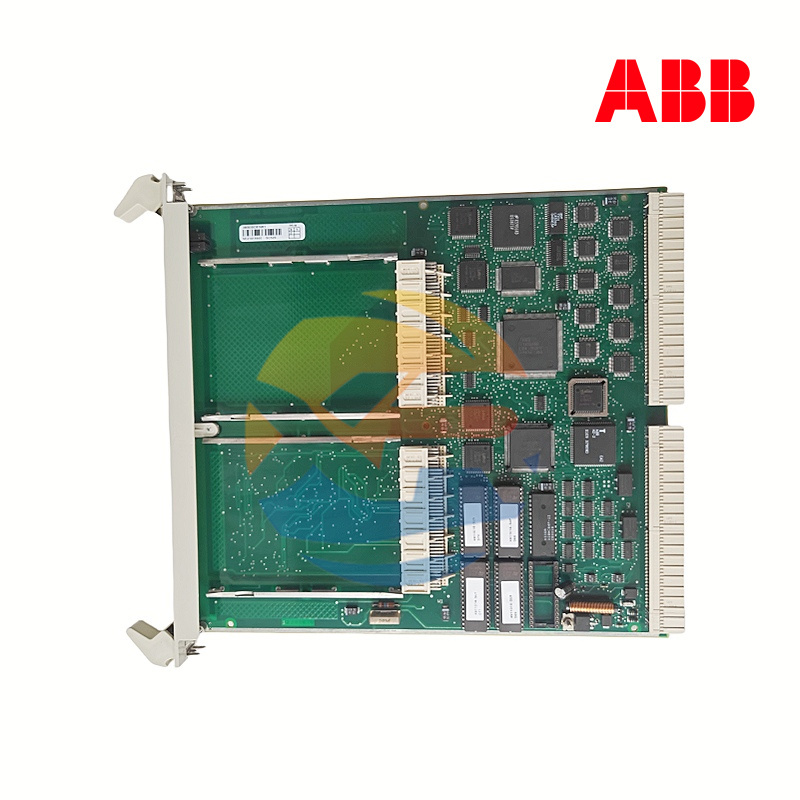
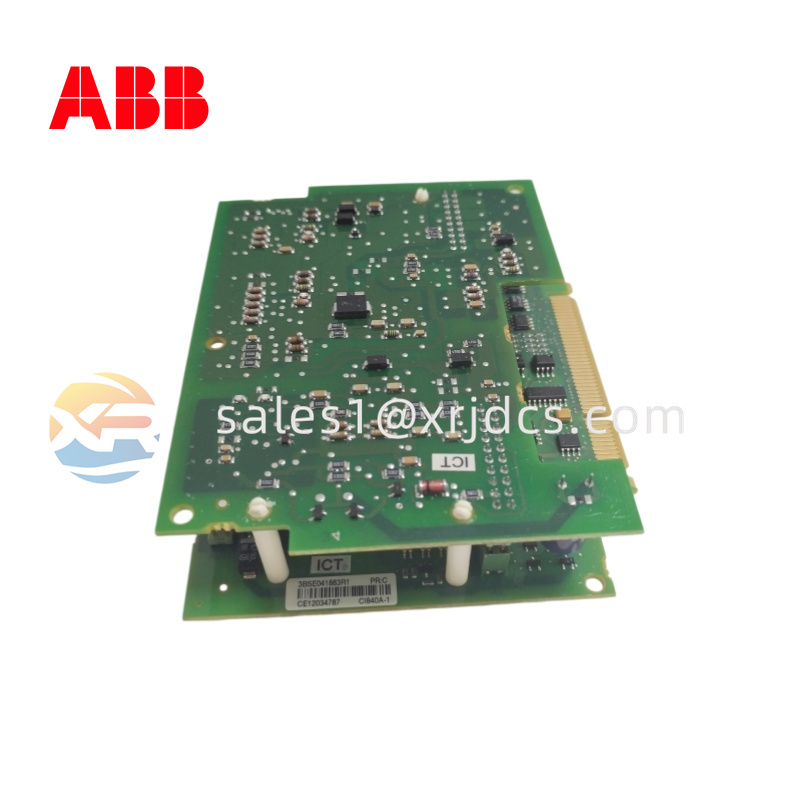
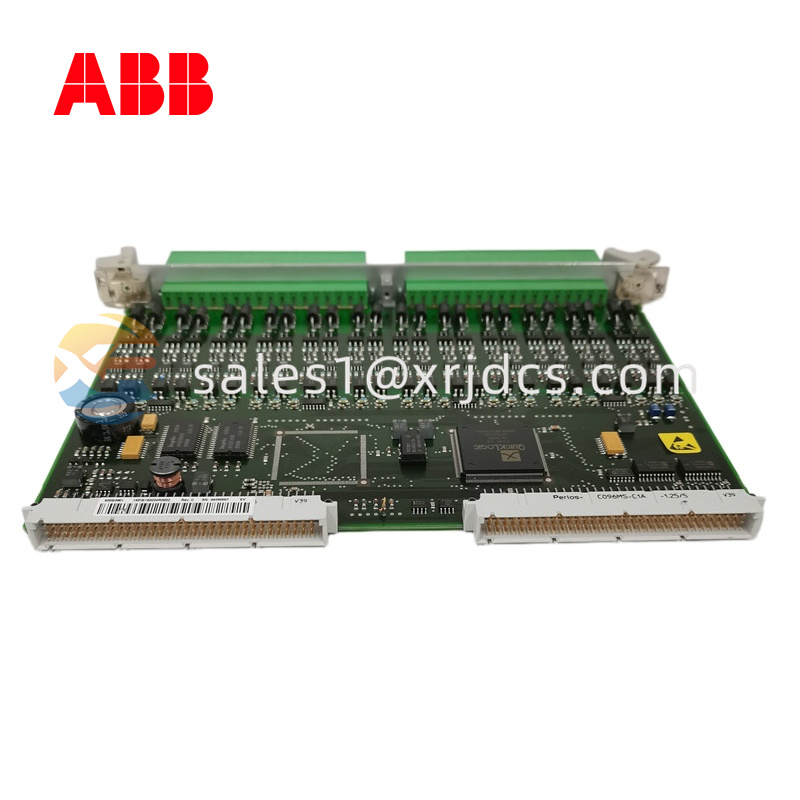
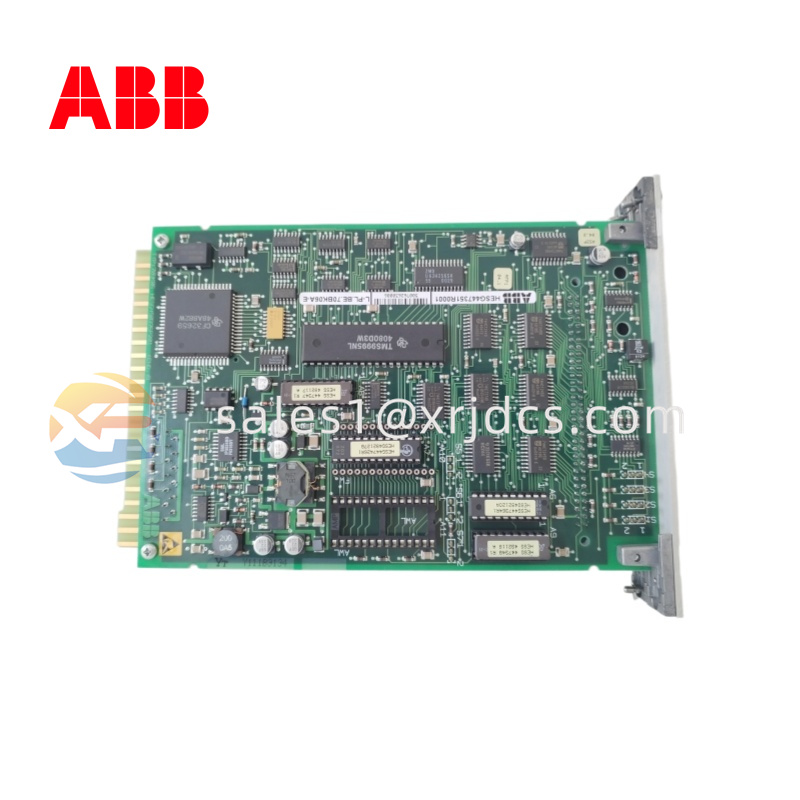
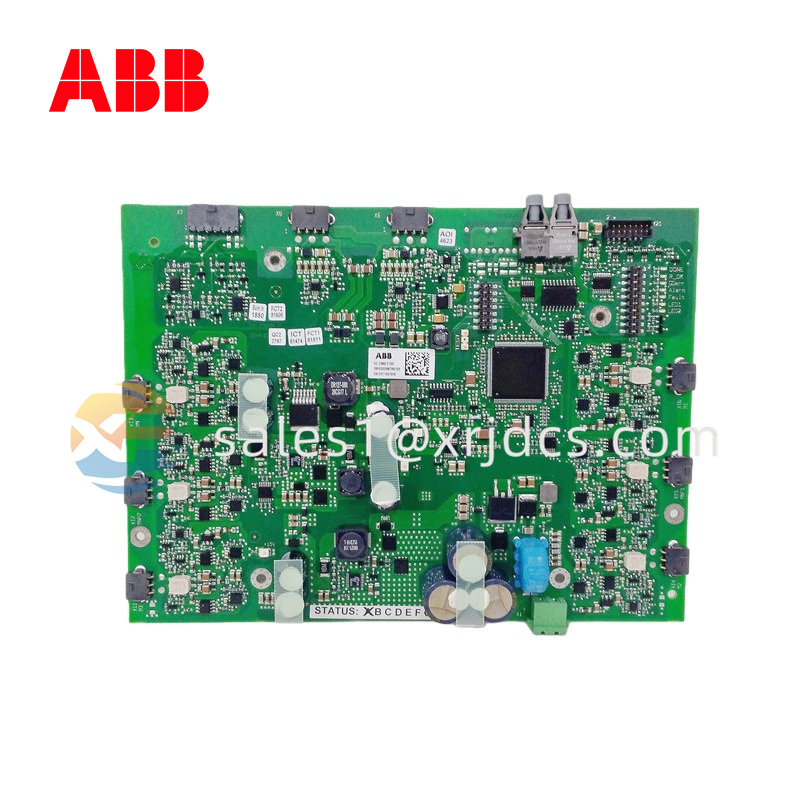
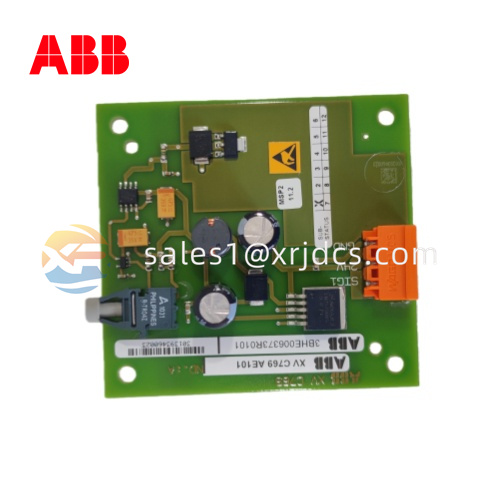
Overview
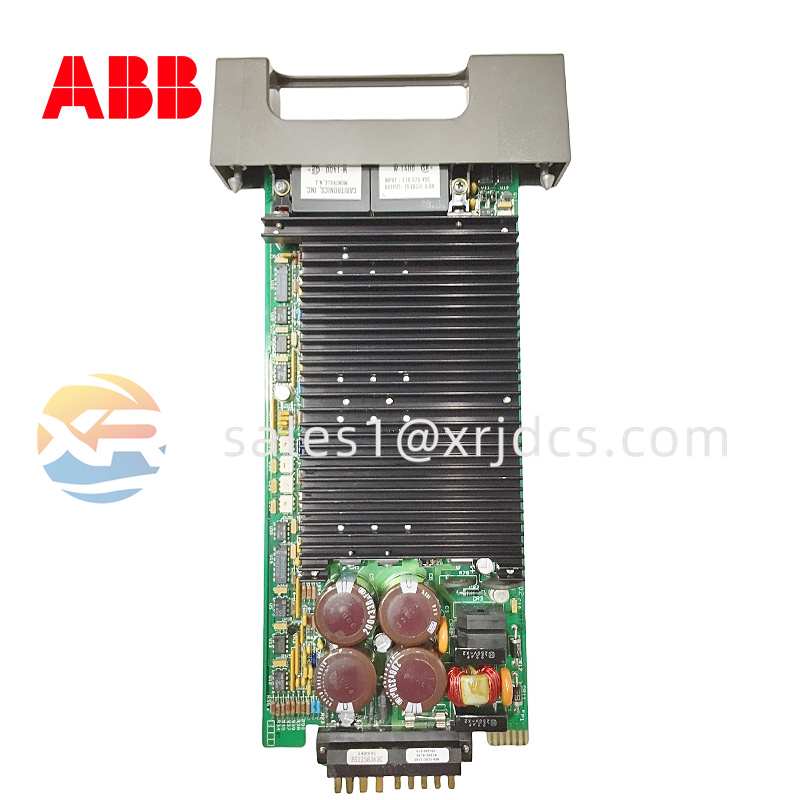
The ABB IEPAS02 is an industrial-grade AC system power supply module designed for distributed control systems (DCS), particularly ABB’s INFI 90 and Harmony rack-based automation platforms. It is widely recognized as a legacy but still highly reliable power module used in mission-critical industrial environments such as power plants, oil & gas facilities, chemical processing plants, and large-scale manufacturing systems.
This module is engineered to deliver multiple regulated DC outputs from an AC input source, ensuring stable operation of control hardware, communication modules, and I/O systems in harsh industrial conditions.
Technical Parameters
| Item |
Specification |
| Product Model |
IEPAS02 |
| Input Voltage |
120 / 240 VAC |
| Frequency Range |
47 – 63 Hz |
| Output Voltages |
+5 VDC, ±15 VDC, +24 VDC |
| Input Current |
~3.0 A (120 VAC) / ~1.7 A (240 VAC) |
| Power Type |
AC to DC System Power Module |
| Cooling Method |
Internal forced-air / rack ventilation |
| Protection |
Over-voltage, over-current, short-circuit protection |
| Weight |
~3.5–3.6 kg (varies by source) |
| Mounting |
Rack-mounted (Harmony / INFI 90 system rack) |
Key Features
The IEPAS02 power module is designed for long-term industrial stability rather than modern compact efficiency. Its key strengths include:
- Multi-voltage output design supporting different subsystem requirements in one module
- High reliability for continuous 24/7 industrial operation
- Stable regulated output with low ripple characteristics
- Built-in protection mechanisms for critical system safety
- Designed for modular rack integration within ABB control architectures
- Proven long lifecycle performance in legacy DCS installations
Structure & Composition
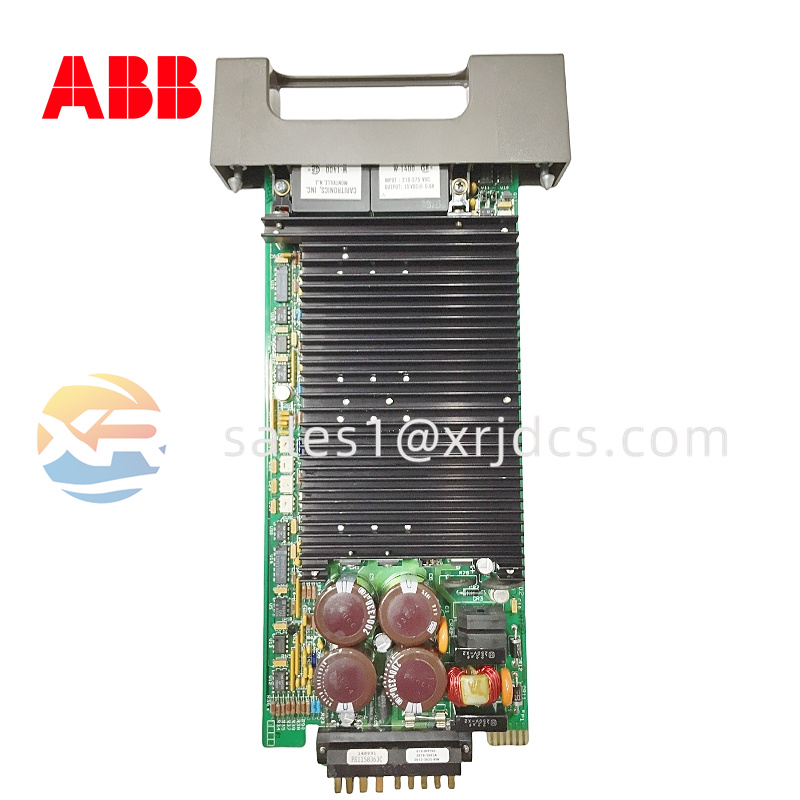
The module is built as a rack-integrated power unit, typically installed within ABB Harmony or INFI 90 cabinets.
Main internal sections include:
- AC Input Stage: Handles wide-range industrial AC input (120/240 VAC)
- Power Conversion Unit: Converts AC to multiple regulated DC rails
- Voltage Regulation Circuitry: Provides +5V, ±15V, and +24V outputs
- Protection System: Embedded safeguards against overload and short circuit
- Cooling & Housing Assembly: Metal enclosure designed for thermal dissipation and EMI shielding
The design emphasizes robustness and serviceability in industrial cabinet environments.
Applications
IEPAS02 is primarily used in heavy-duty automation and control systems, including:
- Power generation plants (DCS monitoring systems)
- Oil & gas processing facilities
- Chemical and petrochemical plants
- Water treatment and environmental systems
- Industrial automation and manufacturing lines
- Legacy ABB INFI 90 / Harmony control systems
It provides stable power for:
- PLC modules
- I/O cards
- Communication interfaces
- Control processors and monitoring units
Installation & Maintenance
Installation Notes
- Must be installed in compatible ABB rack systems (INFI 90 / Harmony)
- Requires correct AC input wiring (120/240 VAC selection depending on site standard)
- Ensure proper grounding for noise and safety control
- Adequate ventilation space must be maintained inside the cabinet
Maintenance Guidelines
- Periodic inspection of cooling airflow and dust accumulation
- Check output stability under load conditions
- Verify connector tightness and rack seating
- Replace only with compatible ABB-approved modules or equivalents in legacy systems
- Due to its discontinued status, sourcing is typically through industrial surplus channels
Lifecycle & Availability
The IEPAS02 is considered a legacy/discontinued ABB module, originally designed for older ABB DCS architectures. However, it is still commonly found in operational industrial plants where system upgrades have not yet been fully implemented.
Many users continue to rely on it due to:
- High system stability
- Cost of full DCS migration
- Compatibility with existing INFI 90 infrastructure
Summary
The ABB IEPAS02 is a rugged, multi-output industrial power supply module built for ABB’s legacy distributed control systems. Although discontinued, it remains an important component in long-running industrial installations where reliability and compatibility are more critical than modernization.



 Switzerland
.jpg)