Product Overview
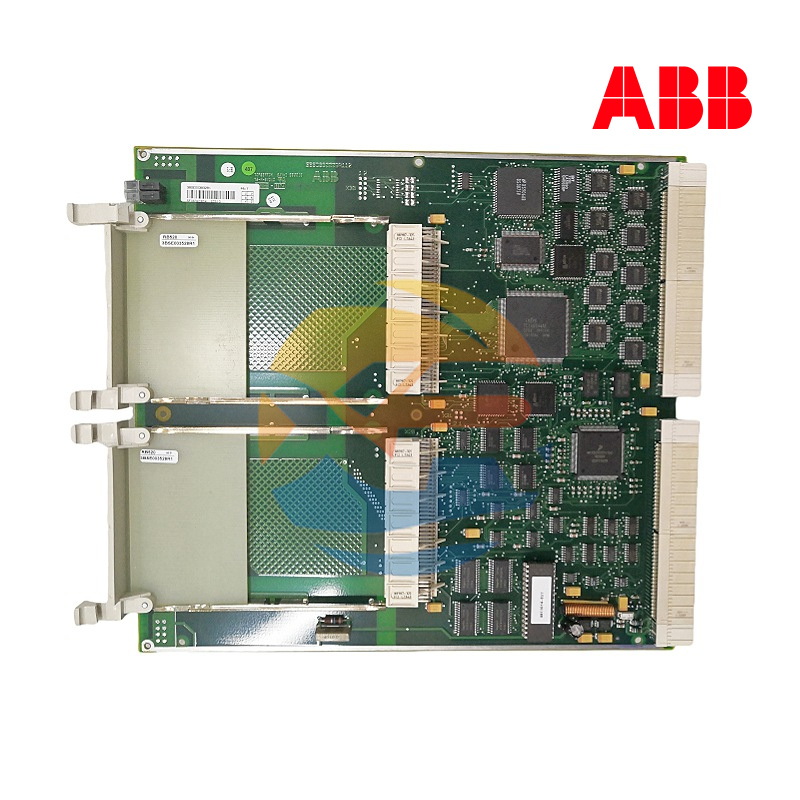
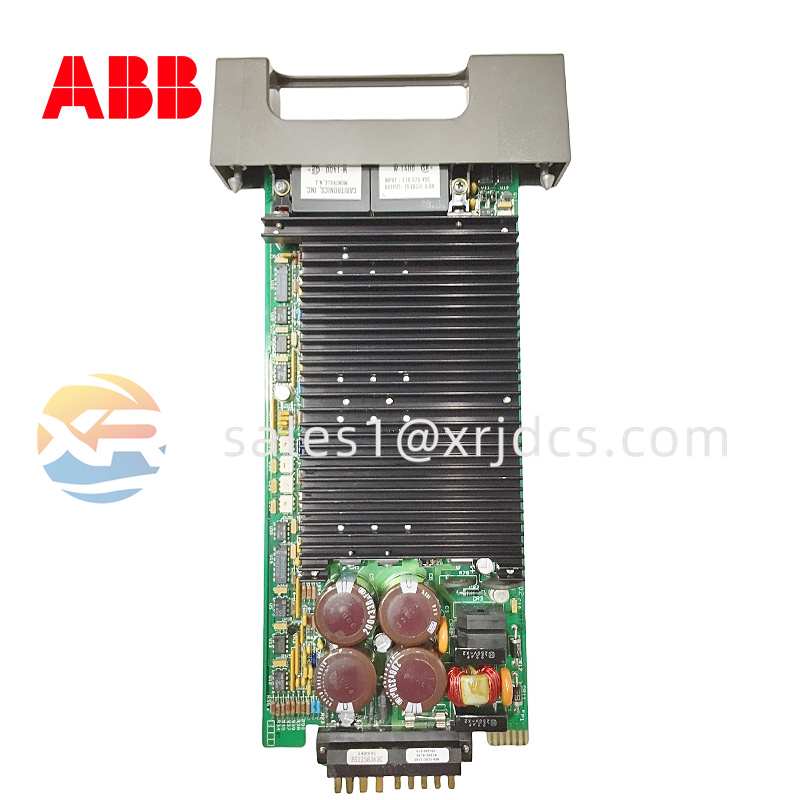
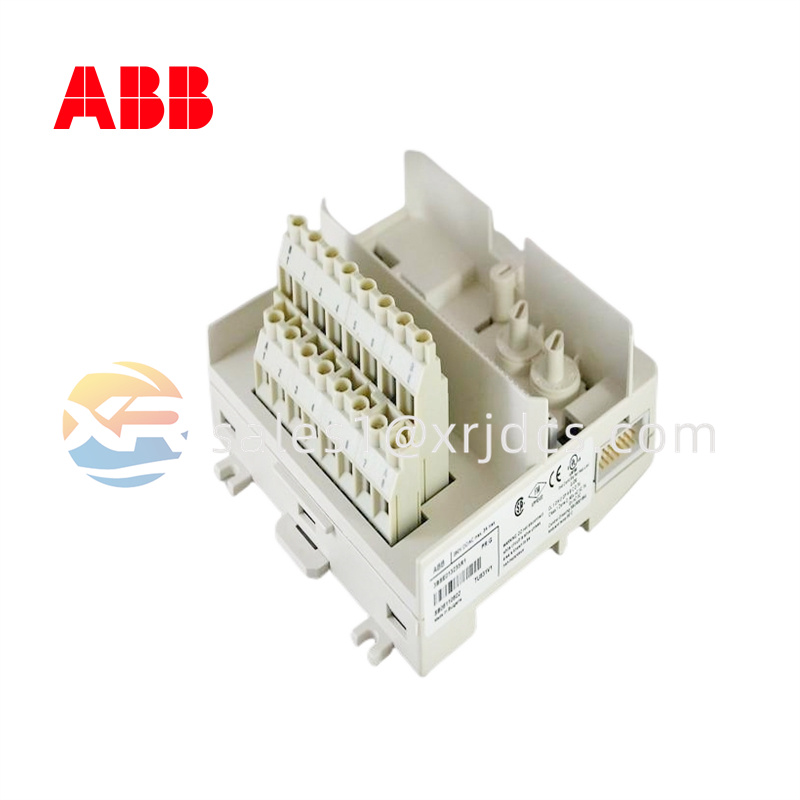
The ABB RB520 3BSE003528R1 is a control system accessory module designed for ABB Advant OCS (Open Control System) and related industrial automation platforms. It is primarily used as a dummy module or filler module for unused submodule carrier positions, helping maintain the mechanical integrity, protection, and organization of ABB control racks.
In large-scale industrial automation systems, unused rack positions may affect cabinet protection, airflow management, and future system expansion planning. The ABB RB520 provides a practical solution by occupying empty slots while maintaining the standardized structure of the control system. It is commonly installed in ABB Advant Controller systems, including legacy platforms such as AC450 and AC460 configurations.
Designed with ABB’s modular automation philosophy, the RB520 3BSE003528R1 helps users maintain a clean and reliable control cabinet layout. It is widely used in process industries where ABB distributed control systems continue to operate and require long-term maintenance support.
Product Specifications
The ABB RB520 is a passive control system component designed for rack slot management and system configuration flexibility.
| Specification |
Description |
| Manufacturer |
ABB |
| Model |
RB520 |
| Order Number |
3BSE003528R1 |
| Product Type |
Dummy Module / Filler Module |
| System Family |
ABB Advant OCS / Advant Controller Systems |
| Application |
Submodule slot filling and rack protection |
| Module Function |
Occupies unused module positions |
| Power Requirement |
No external power required |
| Installation Method |
Rack / carrier card mounting |
| Design Type |
Passive module |
| Compatible Systems |
ABB Advant automation platforms |
| Construction |
Industrial modular housing |
| Maintenance Requirement |
Minimal |
Functional Description
The main function of the ABB RB520 3BSE003528R1 is to fill unused submodule positions inside ABB control system racks.
Unlike active I/O modules, processor modules, or communication cards, the RB520 does not perform signal processing or control operations. Instead, it provides mechanical and system-level support by occupying empty slots that are reserved for current or future system expansion.
The module helps:
- Protect unused rack connectors from dust and contamination
- Maintain proper cabinet organization
- Preserve system configuration flexibility
- Support future installation of functional modules
- Improve the overall appearance of automation cabinets
In industrial control environments, maintaining unused slots properly is important because exposed connectors may become affected by environmental conditions, especially in factories, power plants, and process facilities.
Structural Design and Composition
The ABB RB520 adopts a simple but reliable modular structure suitable for ABB Advant control systems.
Passive Module Body
The module consists of a compact industrial housing designed to fit directly into ABB submodule carrier slots.
Because it is a passive component, it does not require:
- External power supply
- Software configuration
- Communication setup
- Parameter programming
This makes installation simple and maintenance requirements very low.
Rack Mounting Interface
The mechanical interface is designed to match ABB carrier systems, allowing the RB520 to be installed in the same manner as other Advant system modules.
The precise mechanical design ensures:
- Correct positioning inside the rack
- Stable physical connection
- Protection of unused module locations
System Expansion Support
One important advantage of the RB520 is its ability to reserve space for future upgrades. When additional control functions are required, the dummy module can be removed and replaced with an active ABB module.
This allows users to plan system expansion without redesigning the complete control cabinet.
Main Features and Benefits
Reliable Slot Protection
The RB520 helps prevent open rack positions from being exposed to industrial environmental factors.
By covering unused positions, it reduces the risk of:
- Dust accumulation
- Accidental contact
- Mechanical damage
- Connector contamination
This contributes to long-term system reliability.
Easy Installation
The module follows ABB’s modular installation concept. Engineers can install or remove the RB520 quickly without requiring special tools or software configuration.
This is especially useful during:
- System commissioning
- Cabinet assembly
- Maintenance activities
- Spare parts preparation
Excellent Compatibility with ABB Legacy Systems
Many industrial facilities continue to operate ABB Advant-based automation systems due to their stability and long service life.
The ABB RB520 3BSE003528R1 provides an effective maintenance component for these systems, helping customers preserve existing automation infrastructure.
Cost-Effective System Management
Although the RB520 does not provide control functions, it plays an important role in professional automation cabinet management.
Using filler modules helps avoid unnecessary hardware changes and provides a structured approach for future expansion.
Manufacturing Automation
Large manufacturing facilities use distributed control systems with modular architectures.
The RB520 helps maintain cabinet configuration during:
- Production line upgrades
- Controller expansion
- System modernization projects
Product Value and Supply Information
The ABB RB520 3BSE003528R1 Dummy Module is a small but important component for maintaining ABB Advant automation systems. Its simple structure, reliable mechanical design, and compatibility with ABB legacy control platforms make it valuable for system maintenance and expansion planning.
For companies operating ABB Advant OCS systems, the RB520 helps maintain professional cabinet organization while protecting unused module positions.
As an industrial automation spare parts supplier, we provide ABB control system components, including Advant OCS modules, rack accessories, communication units, I/O modules, and related automation spare parts. The ABB RB520 3BSE003528R1 supports customers with replacement requirements, system maintenance, and long-term automation infrastructure management.



 Switzerland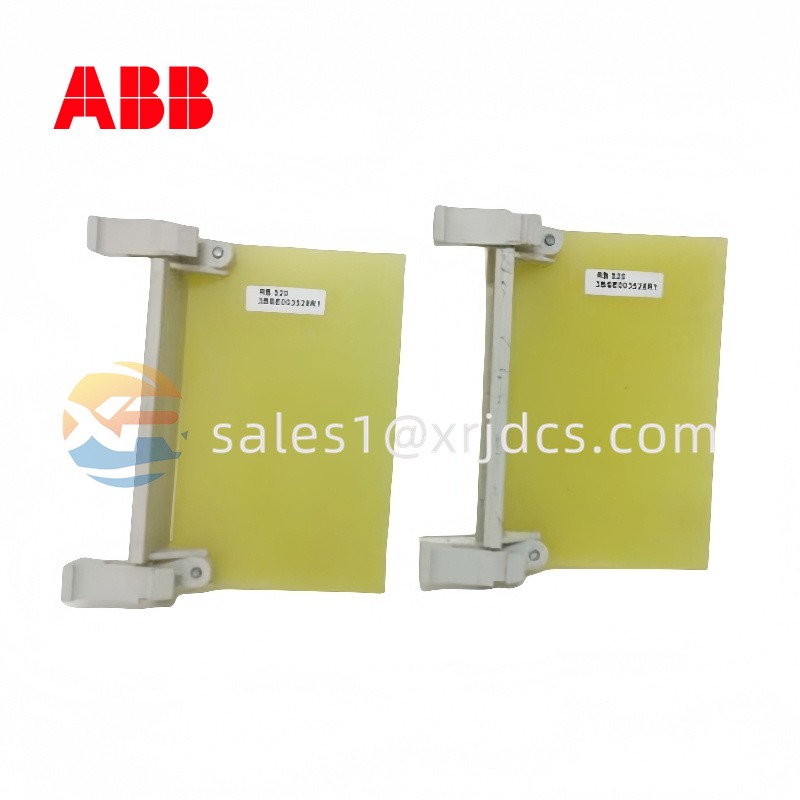
.jpg)