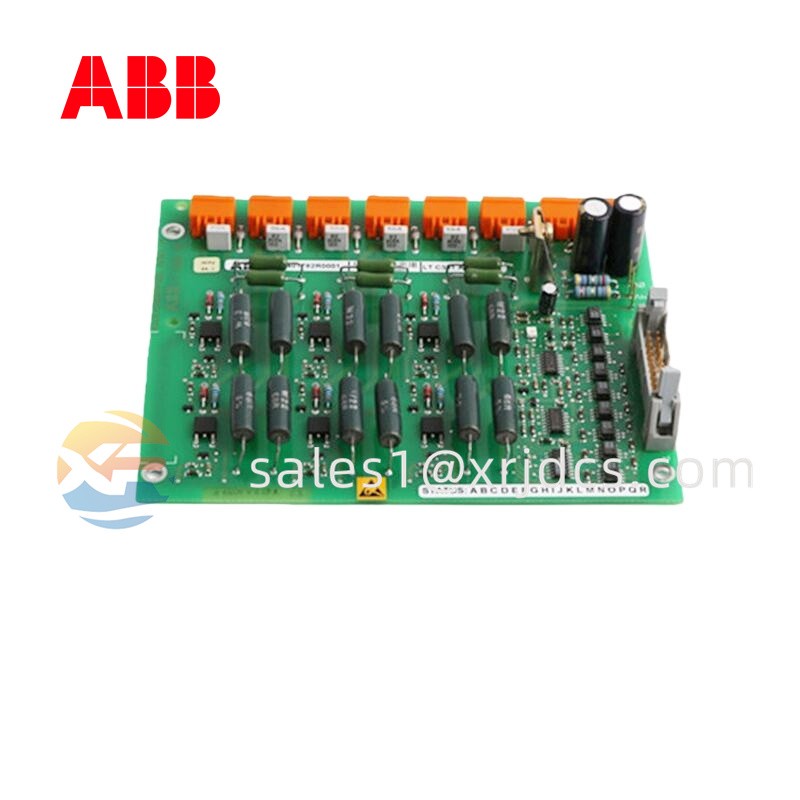
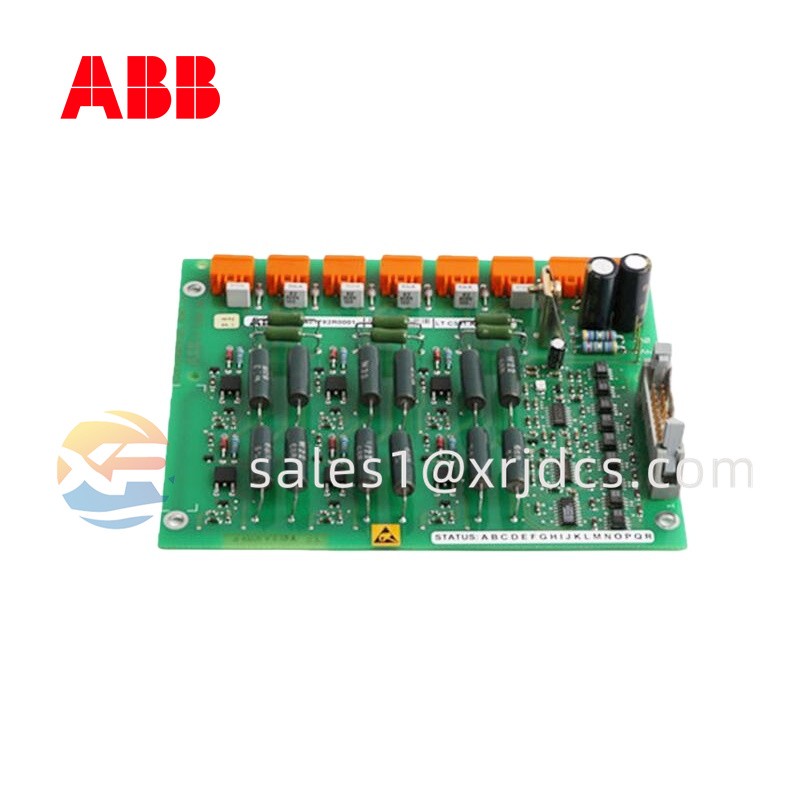
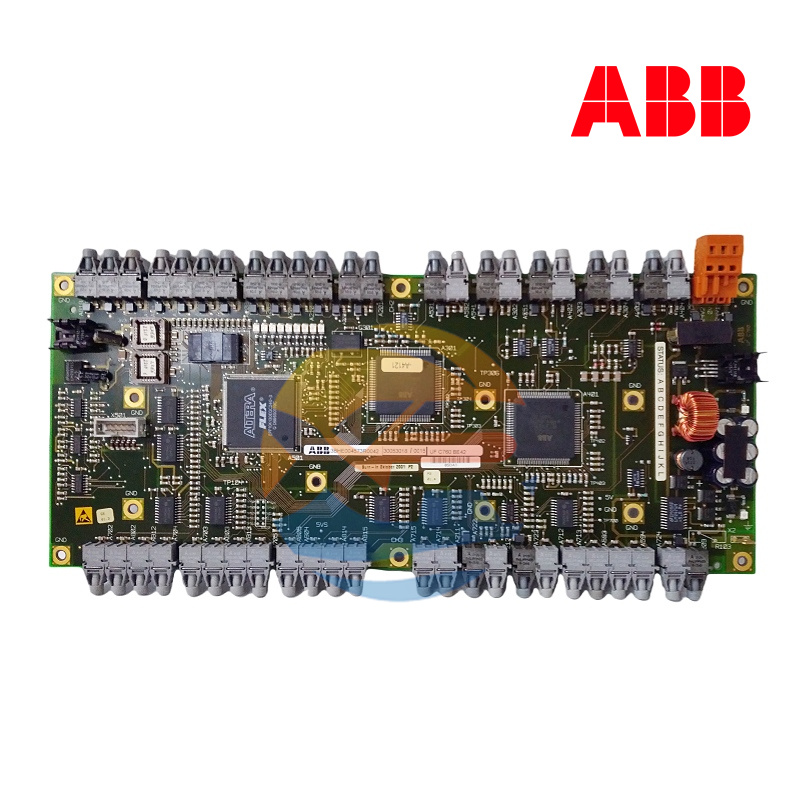
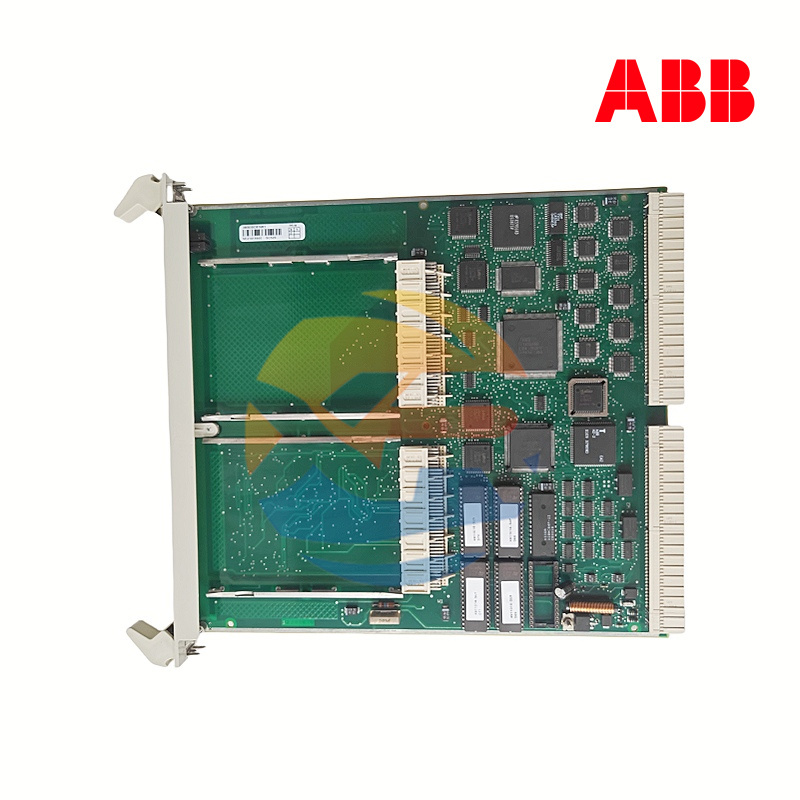
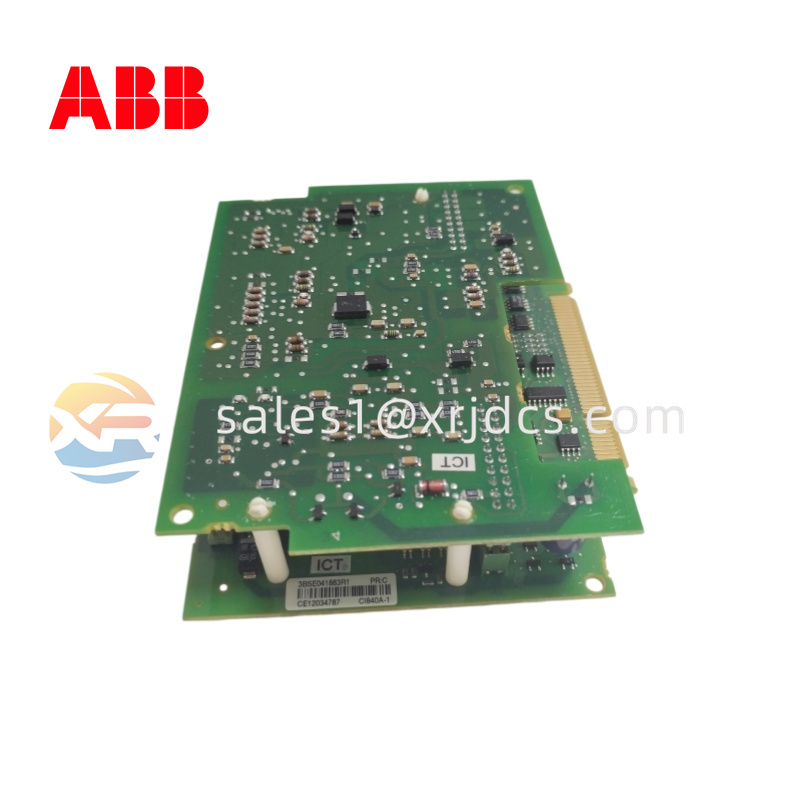
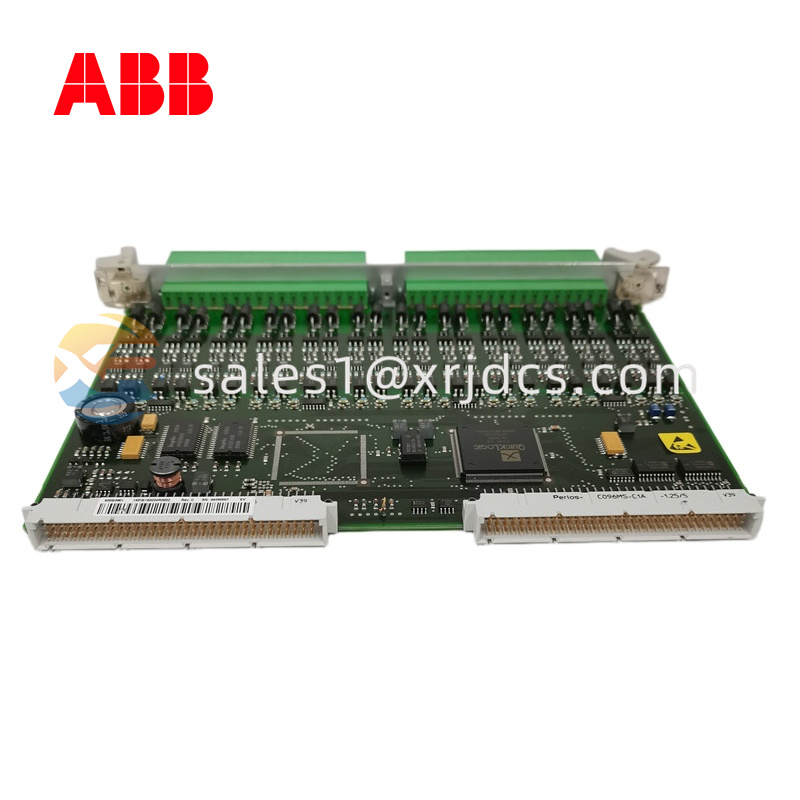
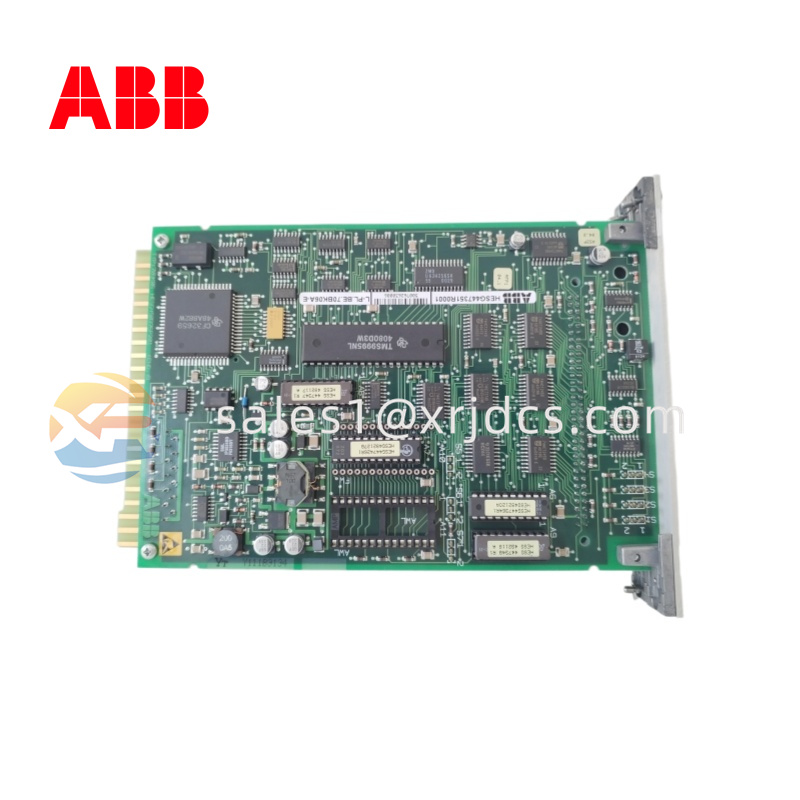
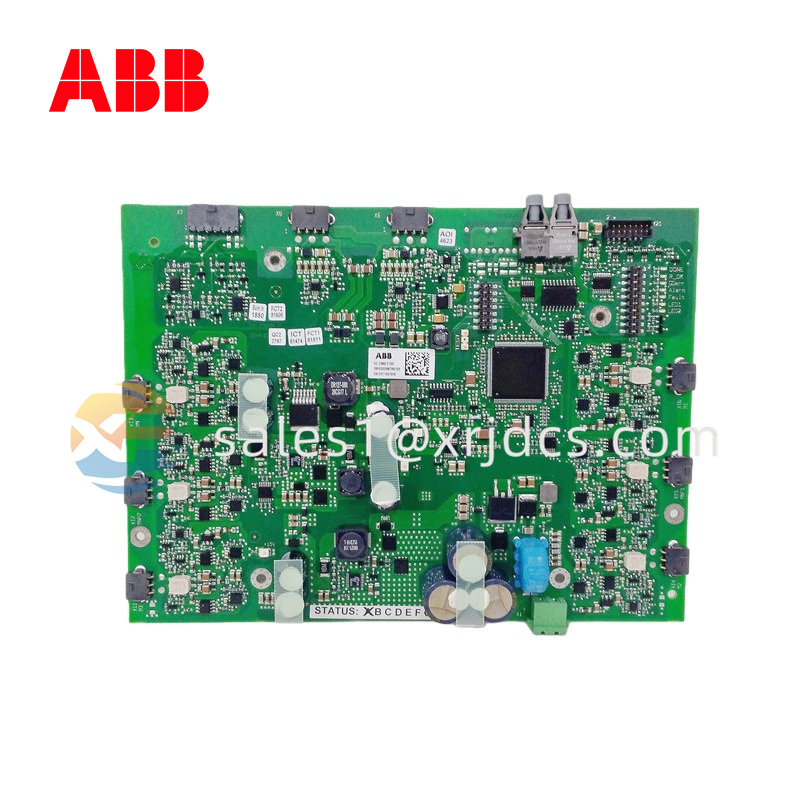
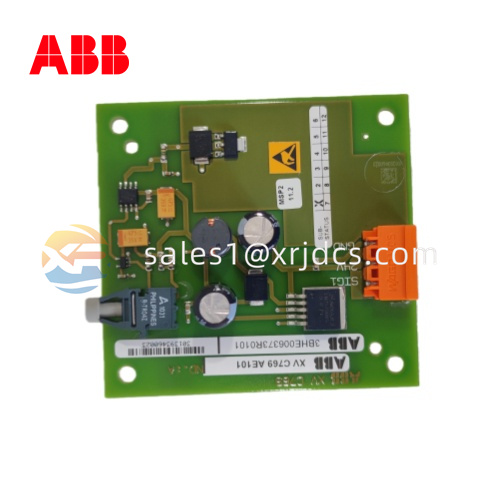
ABB LTC391AE01 HIEE401782R0001 Local Terminal Controller Module
Product Overview
The ABB LTC391AE01 (HIEE401782R0001) is a specialized Local Terminal Controller Module designed for ABB digital excitation systems. It serves as a local operator interface and control unit, providing direct interaction between operators and excitation control equipment. The module is mainly used in ABB UNITROL 6000 / UNITROL 6800 excitation systems, supporting local operation, parameter monitoring, alarm handling, and system maintenance functions.
As an important human-machine interface component in generator excitation applications, the LTC391AE01 allows engineers to operate and supervise excitation systems directly at the equipment site. It provides an effective solution for commissioning, troubleshooting, and daily operation, especially when remote communication with the main control system is unavailable.
Technical Specifications
| Parameter |
Description |
| Manufacturer |
ABB |
| Model |
LTC391AE01 |
| Order Number |
HIEE401782R0001 |
| Product Type |
Local Terminal Controller Module |
| Application |
Generator excitation control systems |
| Compatible Systems |
ABB UNITROL 6000 / UNITROL 6800 |
| Main Function |
Local operation and monitoring interface |
| Communication Interface |
Excitation system communication interface |
| Power Supply |
System internal DC supply |
| Installation Type |
Control cabinet / excitation system panel mounting |
| Display Function |
Local parameter display and status monitoring |
| Usage Environment |
Industrial power generation applications |
The ABB LTC391AE01 is designed as a dedicated local terminal interface for excitation systems, providing convenient access to operating parameters, alarms, and control functions.
Main Features and Functions
Local Operation and Control
The primary function of the ABB LTC391AE01 is to provide local access to the excitation system. Operators can use the terminal controller to monitor system conditions, adjust parameters, and perform operational tasks directly at the excitation cabinet.
Typical functions include:
- Local system operation
- Parameter adjustment
- Operating status display
- Alarm acknowledgement
- Maintenance assistance
This local control capability is especially valuable during system commissioning and maintenance activities.
Human-Machine Interface Capability
The LTC391AE01 acts as an important HMI component within ABB excitation solutions. It improves interaction between operators and complex excitation control equipment by presenting important system information in an accessible format.
The module helps users quickly view:
- Excitation system status
- Operating parameters
- Fault messages
- Alarm information
- Diagnostic data
This reduces troubleshooting time and improves maintenance efficiency.
Reliable Excitation System Support
Generator excitation systems require stable and continuous operation because excitation performance directly affects generator voltage regulation and power system stability.
The LTC391AE01 supports reliable excitation system management by providing:
- Stable communication with control units
- Accurate information display
- Convenient local access
- Improved operational safety
Hardware Structure and Composition
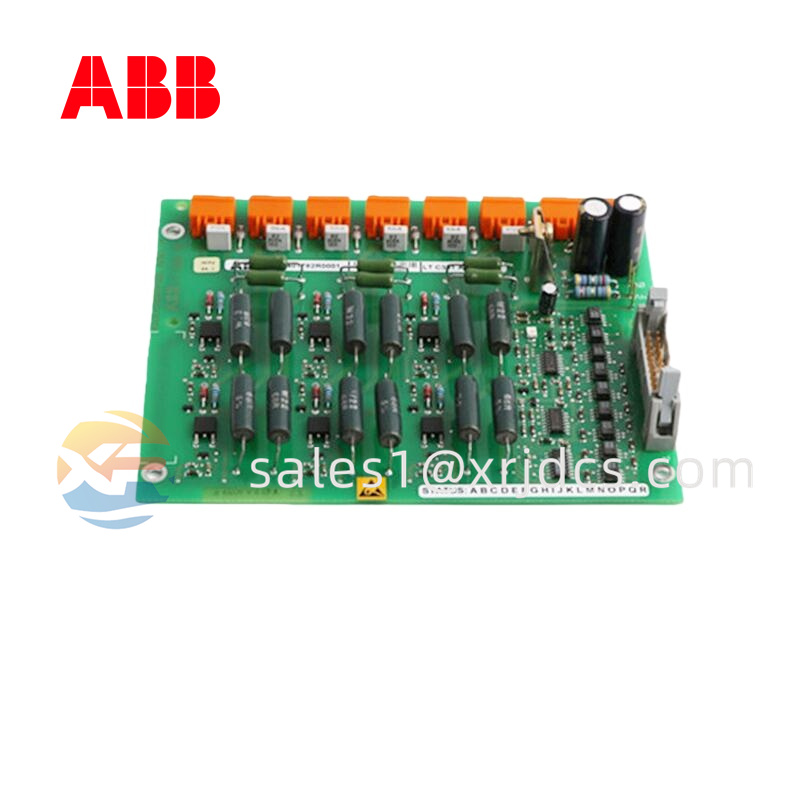
The ABB LTC391AE01 consists of several major functional sections:
1. Display and Operator Interface Unit
The front interface provides operators with access to system information and control commands. It allows engineers to interact with the excitation controller without requiring a separate engineering workstation.
2. Communication Interface Circuit
The communication section exchanges data with the main excitation control system, allowing the terminal to display real-time operating information.
3. Control Processing Section
The internal electronics process operator commands and manage communication between the local terminal and excitation controller.
4. Power Supply Circuit
The power section provides stable operating voltage for internal electronic components and ensures reliable operation within the excitation cabinet environment.
The compact modular design allows easy integration into ABB excitation control panels.
Application Areas
The ABB LTC391AE01 HIEE401782R0001 is mainly used in power generation and industrial electrical control applications.
Power Plants
Typical applications include:
- Hydroelectric generator excitation systems
- Thermal power generation units
- Turbine generator control systems
- Large synchronous generator regulation
Industrial Power Systems
Used in:
- Factory-owned power generation systems
- Large motor-generator installations
- Energy management systems
- Electrical automation projects
Excitation System Maintenance
The module is also suitable for:
- ABB UNITROL system upgrades
- Replacement of damaged local terminals
- Existing excitation system maintenance
- Long-term spare parts support
Installation and Maintenance
The ABB LTC391AE01 should be installed according to ABB excitation system configuration requirements. Before installation, technicians should confirm:
- Correct part number
- Compatible UNITROL system model
- Communication wiring configuration
- Proper power connection
Recommended maintenance procedures include:
- Checking display operation
- Inspecting communication cables
- Reviewing alarm records
- Verifying local control functions
- Checking cabinet environmental conditions
During replacement, technicians should follow standard industrial electronic handling procedures to prevent damage caused by incorrect wiring or electrostatic discharge.
Product Advantages
The ABB LTC391AE01 HIEE401782R0001 Local Terminal Controller Module provides a reliable and efficient interface solution for ABB excitation systems.
With local operation capability, system monitoring functions, and compatibility with ABB UNITROL excitation platforms, it helps operators improve system visibility, simplify maintenance work, and maintain stable generator operation.
For power plants and industrial facilities using ABB excitation equipment, the LTC391AE01 is an important spare component that supports reliable operation, faster troubleshooting, and extended service life of existing excitation control systems.



 Switzerland
 .jpg)