ABB CMA120 Control and Interface Module
Product Overview
The ABB CMA120 is an ABB industrial automation module used within legacy control and automation equipment. It is intended to support system-level control, signal interfacing, and communication functions within compatible ABB installations.
As with many ABB legacy modules, the exact function of a CMA120 can depend on the host system, hardware revision, and associated assemblies. Therefore, the complete identification on the module should be checked before replacement or integration.
Product Identification
| Parameter |
Information |
| Manufacturer |
ABB |
| Model |
CMA120 |
| Product Type |
Industrial Control / Interface Module |
| Brand |
ABB |
| Application |
Industrial Automation |
| Installation |
Compatible ABB control equipment |
| Product Category |
Control and Interface Hardware |
| Service Type |
Maintenance / Replacement |
The CMA120 should be treated as a system-dependent component. Exact electrical ratings, terminal assignments, communication characteristics, and firmware information should be confirmed from the original ABB documentation or the nameplate of the installed unit.
Functional Characteristics
The CMA120 is designed to operate as part of a larger industrial automation architecture rather than as an independent controller. In an installed system, modules of this type work alongside processors, I/O assemblies, power supplies, communication interfaces, and field devices.
Its industrial design is intended to provide dependable operation within control cabinets and automation equipment. Maintaining the original module type can be useful when servicing older systems because it avoids unnecessary changes to the existing electrical and software architecture.
Key maintenance advantages include:
- Direct replacement for compatible installed hardware
- Integration with existing ABB control equipment
- Reduced modification of established wiring
- Support for long-life industrial installations
- Convenient spare-parts management
- Reduced downtime during equipment repair
Hardware Construction
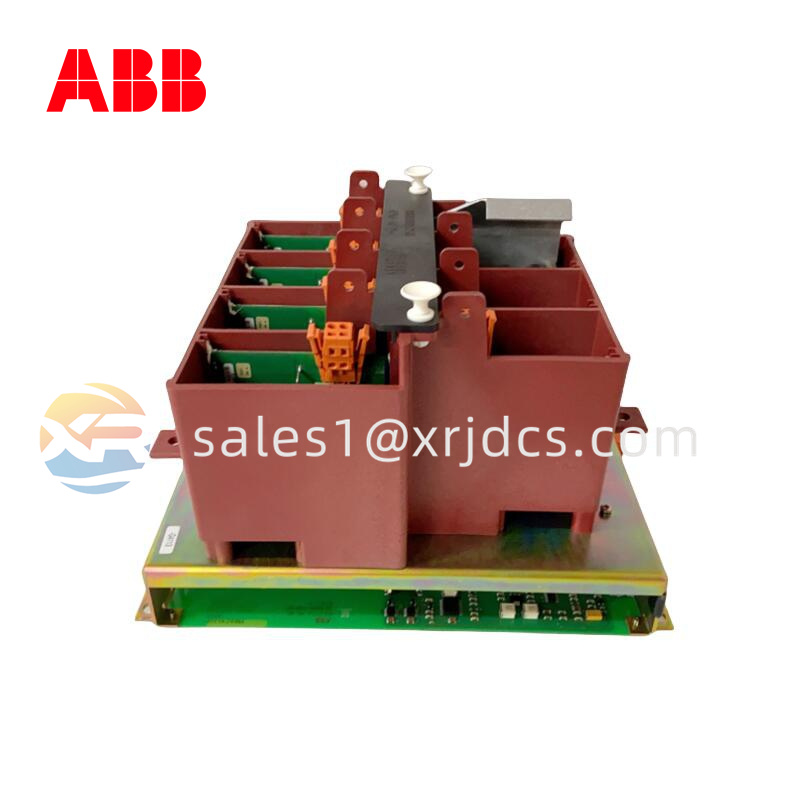
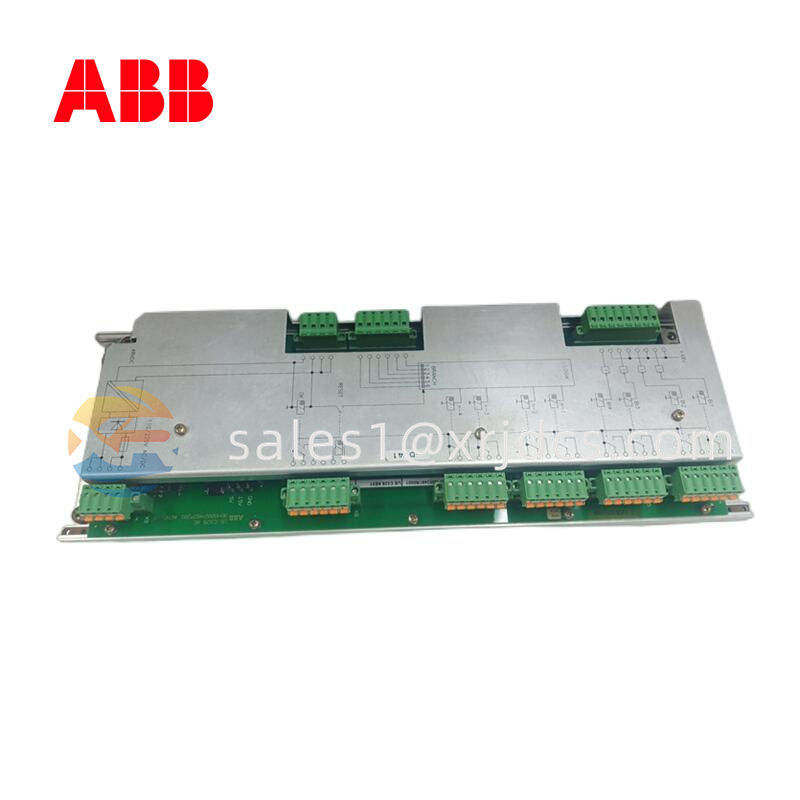
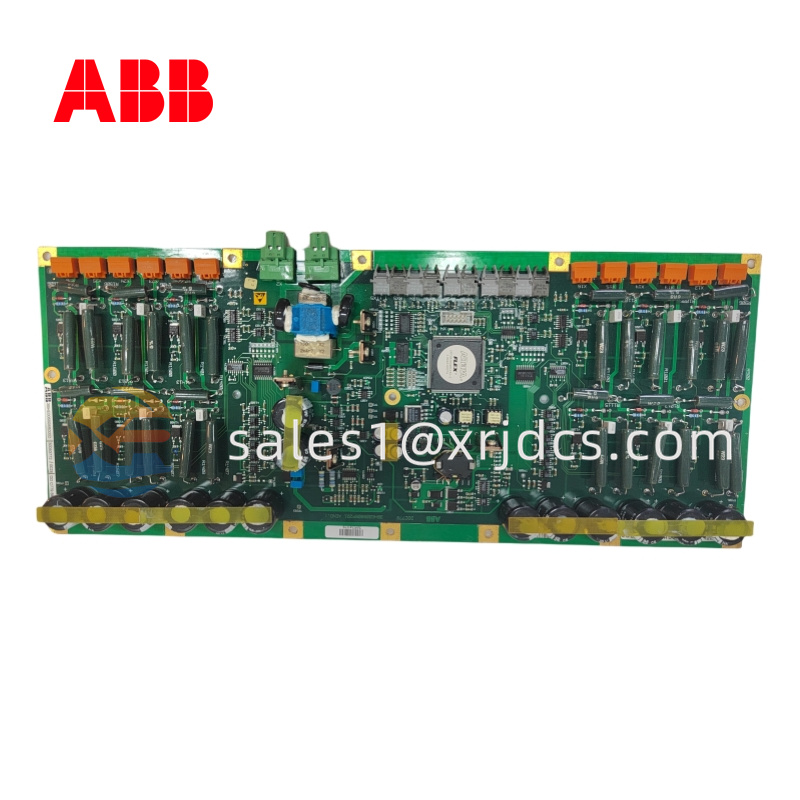
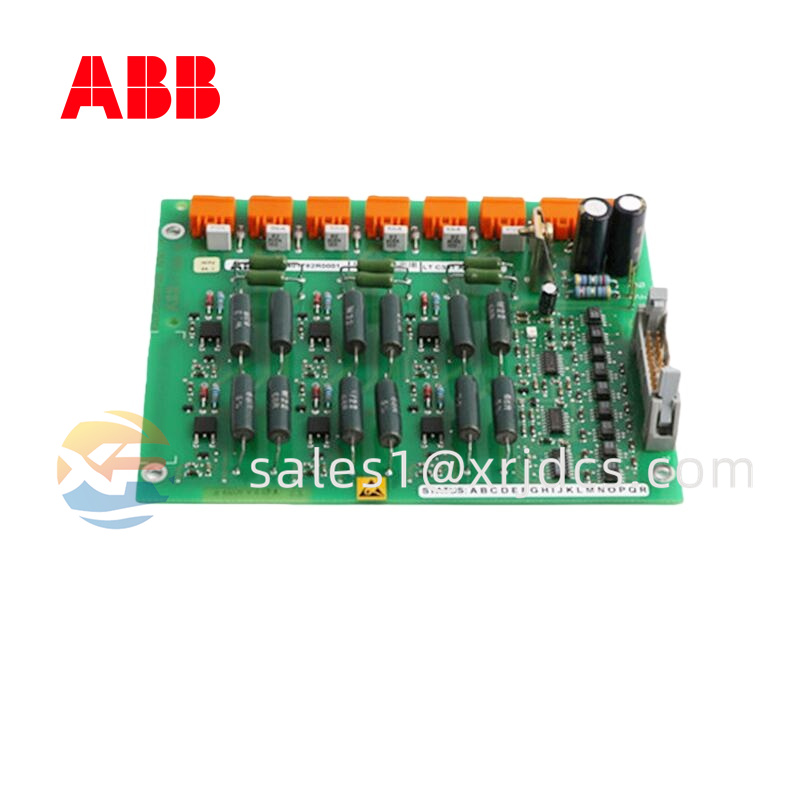
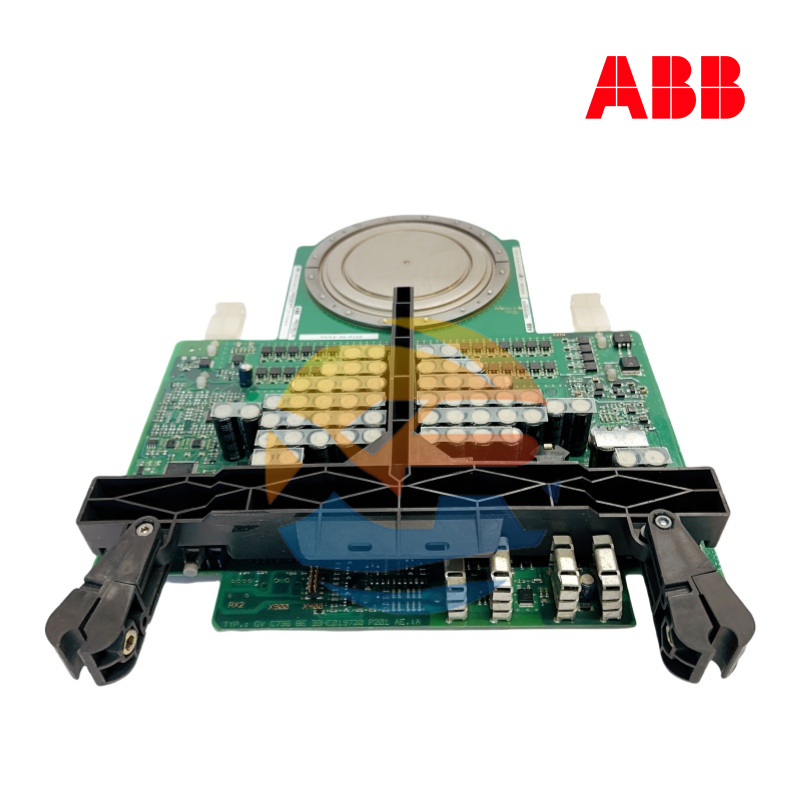
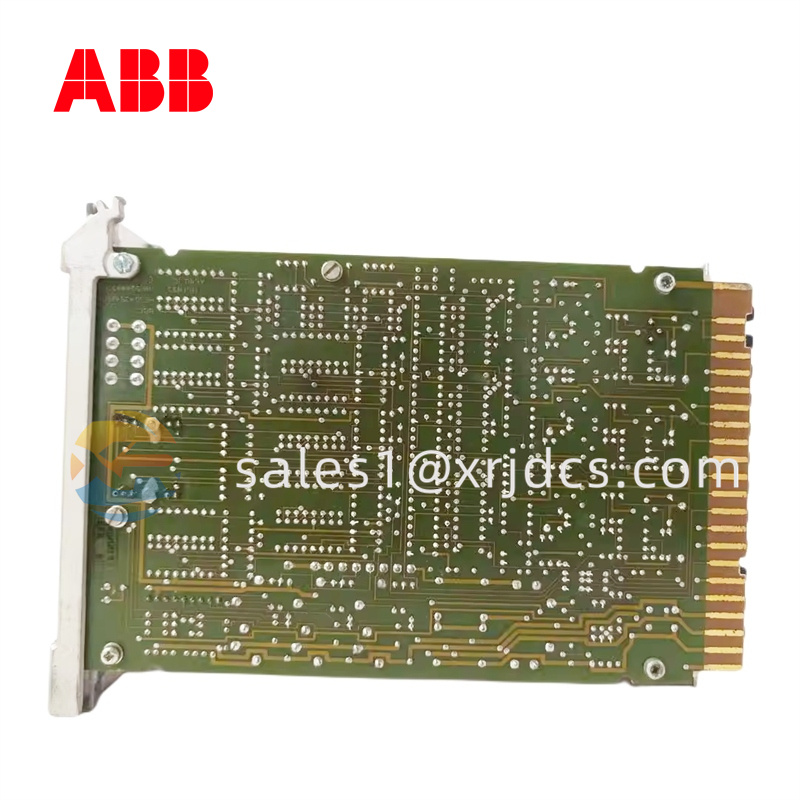
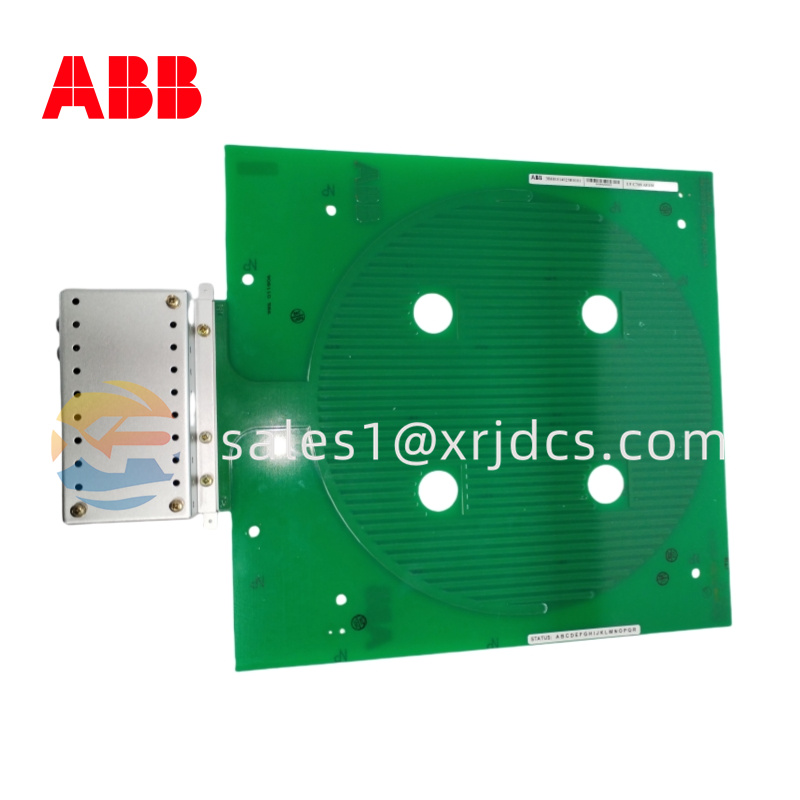
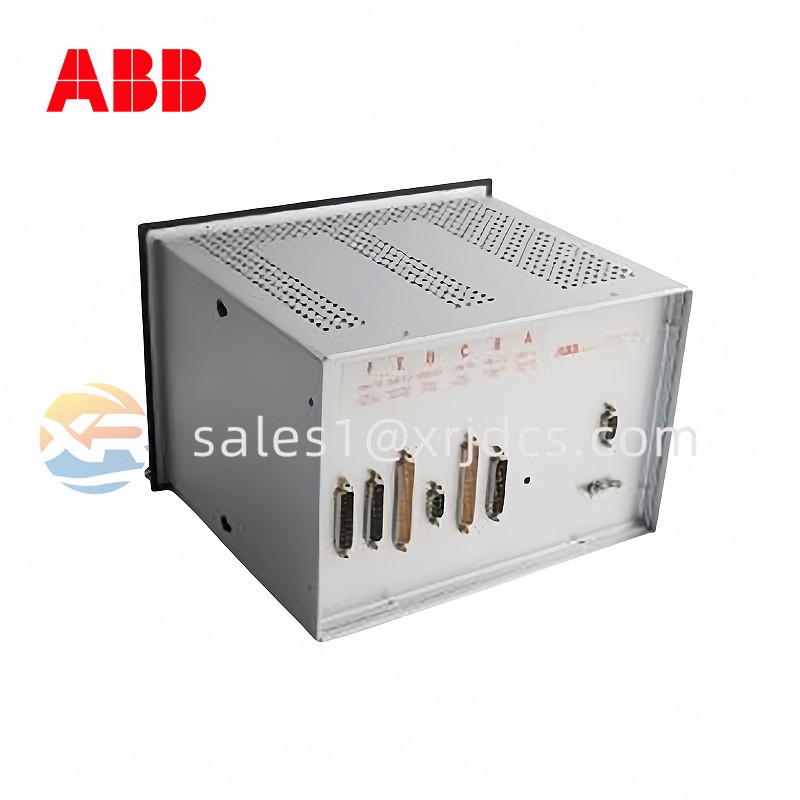
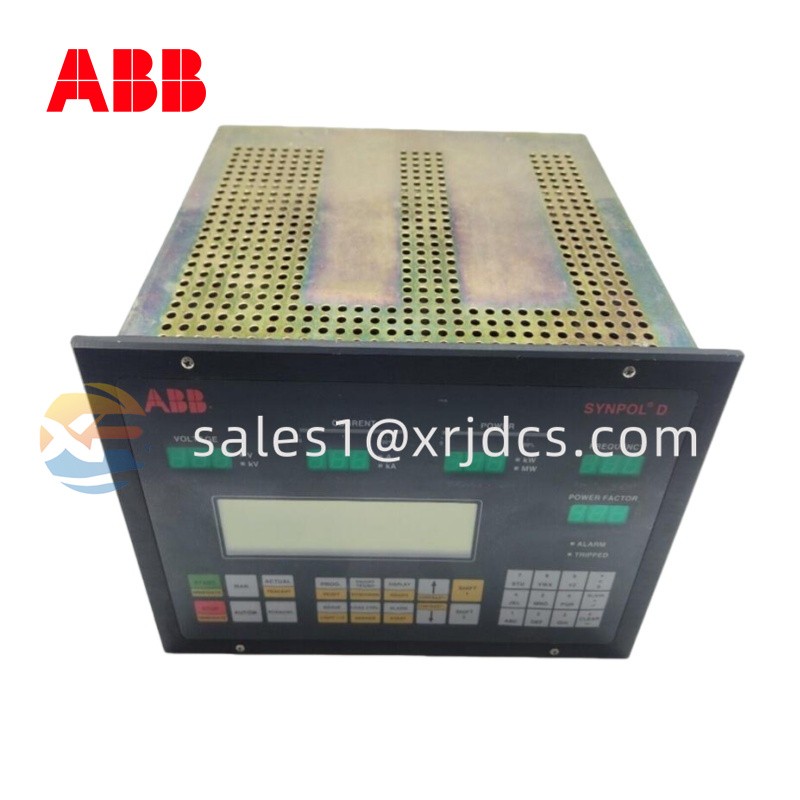
The CMA120 consists of an industrial electronic assembly with a printed circuit board, electronic components, interface circuitry, connectors, and mechanical mounting elements. Depending on the particular system configuration, the module may communicate with other ABB control assemblies through backplane or cable connections.
Before installation, technicians should compare the physical arrangement of the replacement with the existing module, including connector positions, board markings, mounting arrangement, and revision information.
Because ABB produced many modules for different generations of automation equipment, a visually similar board should not automatically be considered an interchangeable replacement.
Typical Applications
The ABB CMA120 can be relevant to maintenance projects involving established ABB industrial control equipment, such as:
- Industrial automation systems
- Process control equipment
- Manufacturing machinery
- Electrical control systems
- Motor and drive-related installations
- Power and energy equipment
- Industrial monitoring systems
- Legacy ABB control platforms
For a specific installation, the host equipment model should be checked to determine the exact role of the CMA120.
Installation and Maintenance
Before replacing an ABB CMA120, disconnect and isolate the associated equipment in accordance with the site's electrical safety procedures. Record the original wiring and connector arrangement before removing the existing module.
During preventive maintenance, inspect the PCB and connectors for:
- Dust and contamination
- Corrosion
- Discoloration caused by overheating
- Damaged connectors
- Loose connections
- Cracked or damaged components
Use appropriate ESD protection when handling the circuit board. After installation, perform the required power-up, diagnostic, communication, and functional checks specified for the host ABB system.
For procurement and replacement, it is recommended to match ABB CMA120 exactly and verify any additional revision or assembly information printed on the module. This approach helps minimize compatibility risks and supports reliable maintenance of legacy ABB automation



 Switzerland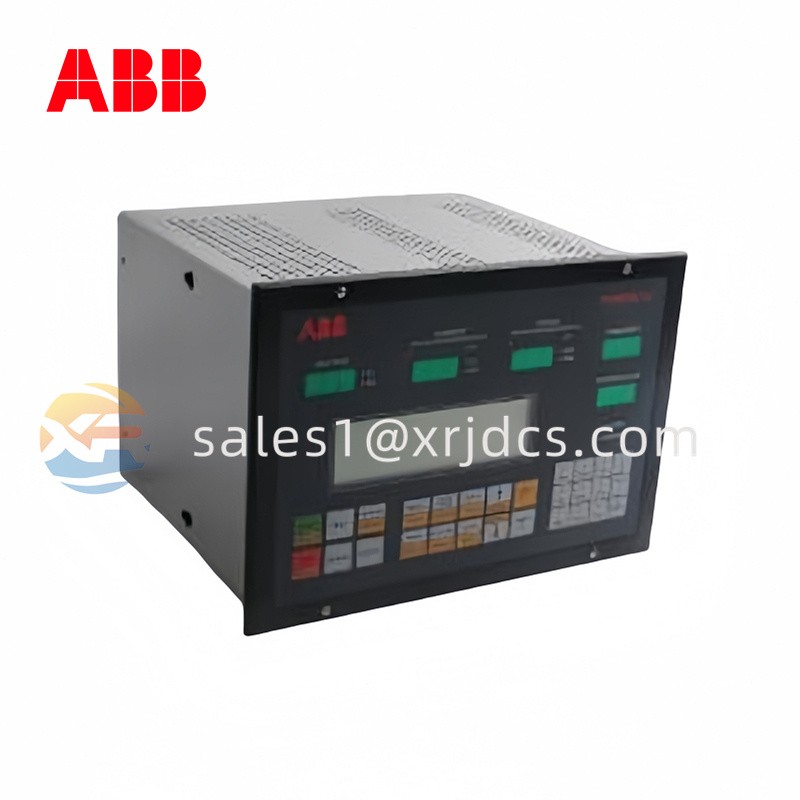
.jpg)
.jpg)
.jpg)
.jpg)