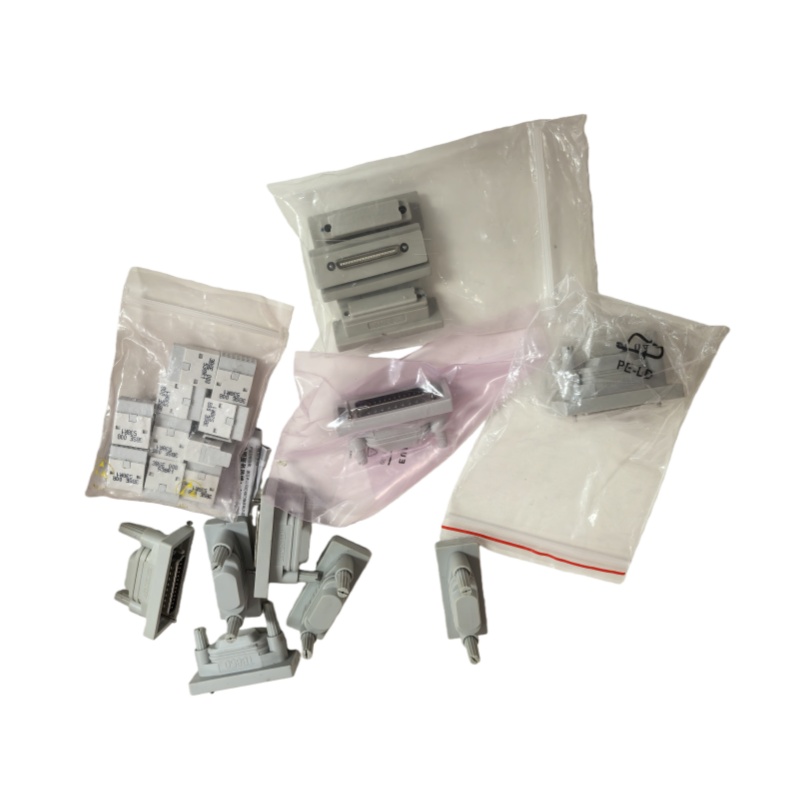
ABB TB840A 3BSE037760R1
1. Overview
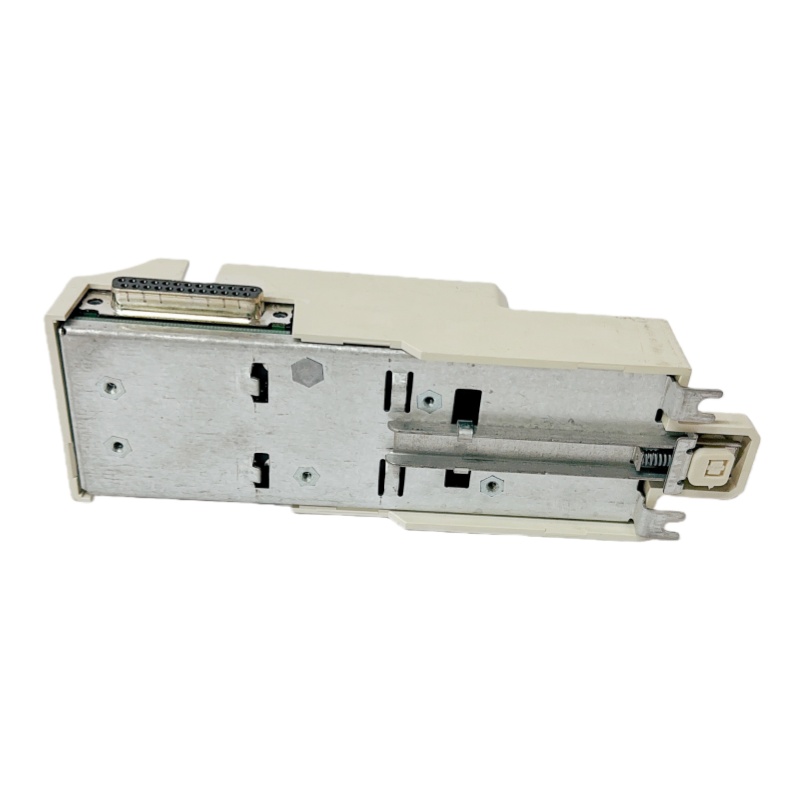
The ABB TB840A 3BSE037760R1 is a high-performance fiber optic interface module, part of the ModuleBus cluster modem series manufactured by ABB. It utilizes fiber optic communication technology to achieve high-speed, long-distance data transmission with strong anti-interference capabilities, making it suitable for harsh industrial environments. This module supports redundant configurations, enhancing system reliability and stability.
-
2. Specifications
- Input Voltage: 24V DC
- Power Consumption: 120mA
- Dimensions: 54mm (W) × 119mm (H) × 96mm (D)
- Weight: Approx. 0.2 kg (0.44 lbs)
- Communication Interfaces:
- Fiber optic interface (supports ModuleBus)
- Electrical interface (supports I/O modules)
- Operating Temperature Range: -20°C to 55°C
- Maximum Transmission Rate: 10 Mbps
-
3. Key Features
- High Reliability & Stability: Built with premium materials and advanced manufacturing processes, rigorously tested for durability and performance in complex industrial environments.
- Redundancy Support: Enables redundant configurations for both fiber optic and electrical ModuleBus, supporting up to 7 fiber clusters and 12 I/O modules for complex system requirements.
- Flexible Signal Configuration: Allows signals to be set as "active" or "passive", with adjustable output current range (4–20mA).
- Easy Integration & Expansion: Modular design simplifies integration with other automation equipment, featuring hot-swappable functionality.
- Anti-Interference Performance: Fiber optic technology ensures immunity to electromagnetic interference (EMI), guaranteeing reliable data transmission.
-
4. Structure & Components
- Modular Design: Includes fiber optic and electrical interfaces for connecting to ModuleBus and I/O modules, respectively.
- Power Management: Equipped with an independent power converter for internal supply, featuring short-circuit protection.
- Redundant Termination Unit (MTU) Support: Compatible with MTU modules like TU807 and TU840 for redundancy.
- Status Monitoring: Integrated LED indicators display module status and address settings.
-
5. Applications
- Industrial Automation Lines: Connects sensors, actuators, and controllers for automated equipment control.
- Process Control Systems: Transmits critical production data in industries like chemical, oil & gas.
- Distributed Control Systems (DCS): Serves as a key DCS component for data modulation/demodulation and long-distance communication.
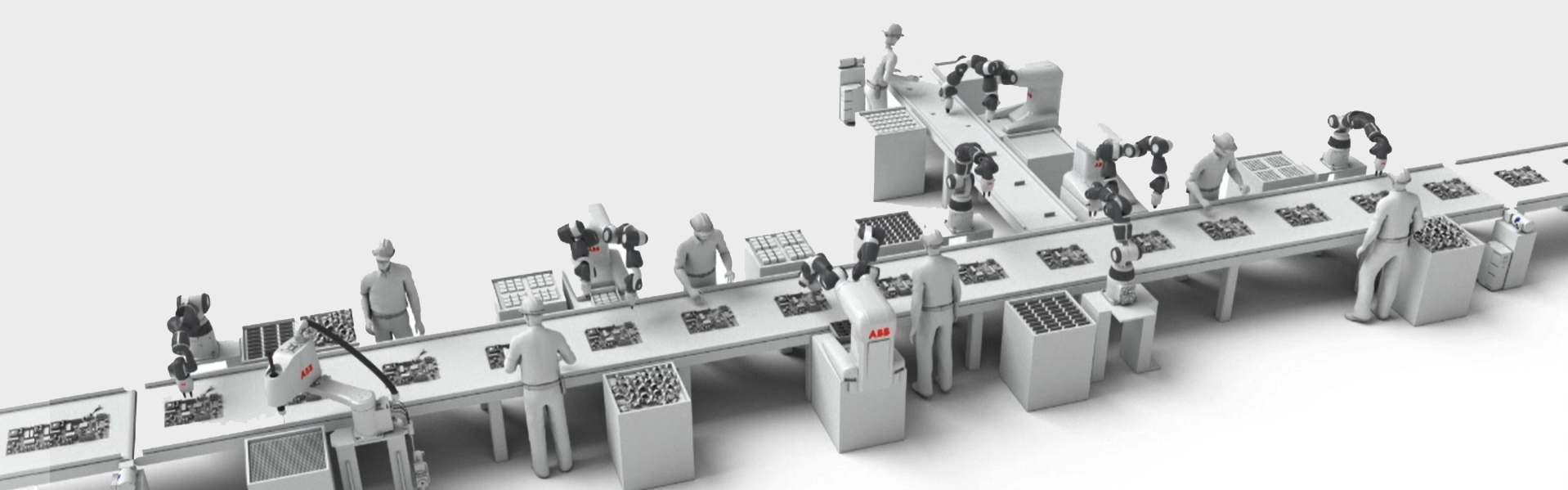
- Robotics & Smart Manufacturing: Enables high-precision control of robotic arms and production line coordination.
- Building Automation: Manages lighting, HVAC, and security systems in smart buildings.



 Switzerland